Buy balkaneana.eu ?
We are moving the project
balkaneana.eu .
Are you interested in purchasing the domain
balkaneana.eu ?
domain@kv-gmbh.de · 0541-91531010
Buy balkaneana.eu ?
Lower classifications of crustaceans
Lower classifications of crustaceans include groups such as Malacostraca, Branchiopoda, Maxillopoda, and Remipedia. These groups are further divided into various orders, families, and species. Each lower classification has unique characteristics and adaptations that help them thrive in different aquatic environments. Studying these lower classifications helps scientists understand the diversity and evolution of crustaceans. **
How can one breed prehistoric crustaceans?
Breeding prehistoric crustaceans would require a deep understanding of their natural habitat, behavior, and dietary needs. It would also involve creating an environment that closely mimics the conditions of the prehistoric era, including water temperature, salinity, and oxygen levels. Additionally, it would be important to source the specific species of prehistoric crustaceans and ensure that they are not endangered or protected. Finally, careful monitoring and maintenance of the breeding environment would be necessary to ensure the health and reproduction of the crustaceans. **

Similar search terms for Crustaceans
Top-Angebote
Products related to Crustaceans:
-
Roommates Almond & Vintage Clara Jean Folklore ForestFolklore whimsy featuring sweet fox kits and other forest critters will create a charm like no other in your space! With neutral tones of beige, taupe, and accents of orange and green this print is as soothing as it is magical. Peel, stick, done!48,39 $*Shipping: 0,00 $Secure redirect to the provider
-
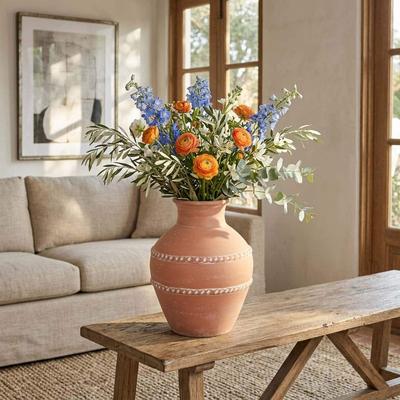
Sagebrook Home Pottery Terracotta Vase Artisan Style Traditional Classic SilhouetteAdd rustic flair instantly - Crafted from durable terracotta pottery, this decorative vase brings timeless charm to any bedroom, living room, or entryway display.64,59 $*Shipping: 0,00 $Secure redirect to the provider
-
RoomMates White & Grey Folklore Trees Peel and Stick WallpaperFilled with cozy, hygge style, Grey Folklore Trees Peel and Stick Wallpaper is sure to catch the eye of everyone who enters your home. This whimsical pattern creates a space for the mind to wander.39,49 $*Shipping: 0,00 $Secure redirect to the provider



-
How long do prehistoric crustaceans live?
The lifespan of prehistoric crustaceans varied depending on the species. Some prehistoric crustaceans, such as the horseshoe crab, are known to have existed for hundreds of millions of years, making them one of the oldest living species on Earth. Other prehistoric crustaceans may have had shorter lifespans, but due to the limited fossil record, it is difficult to determine the exact lifespan of all prehistoric crustaceans. Overall, prehistoric crustaceans were able to survive and thrive for millions of years, adapting to changing environmental conditions and evolving alongside other ancient species. **
-
What are prehistoric crustaceans as a gift?
Prehistoric crustaceans as a gift could refer to fossils or replicas of ancient crustaceans that lived millions of years ago. These could include creatures such as trilobites, ancient shrimp, or other early crustaceans that are now extinct. These gifts could be of interest to paleontologists, collectors, or anyone fascinated by prehistoric life. They provide a unique and educational gift option for those interested in natural history and the evolution of life on Earth. **
-
How do I properly breed prehistoric crustaceans?
To properly breed prehistoric crustaceans, you will need to create an environment that closely mimics their natural habitat. This includes providing a suitable tank with the right water conditions, temperature, and pH levels. You will also need to ensure that the crustaceans have access to the right food sources and hiding places. It's important to research the specific species of prehistoric crustaceans you are breeding to understand their unique needs and behaviors. Additionally, monitoring water quality and maintaining a clean environment is crucial for the health and successful breeding of prehistoric crustaceans. **
-
What concerns are there when raising prehistoric crustaceans?
When raising prehistoric crustaceans, some concerns may include ensuring they have the proper environment and conditions to thrive, such as appropriate water quality and temperature. Another concern is providing them with a suitable diet that mimics their natural food sources. Additionally, it is important to monitor their growth and behavior closely to address any health issues or aggression that may arise in a communal setting. **

Why don't prehistoric crustaceans hatch in my case?
Prehistoric crustaceans do not hatch in your case because they require specific environmental conditions to hatch and develop. These conditions may include a certain temperature, water quality, and oxygen levels, which may not be present in your case. Additionally, prehistoric crustaceans may require specific nutrients and food sources that are not available in your case. Finally, prehistoric crustaceans may not be present in your case in the first place, as they are typically found in natural aquatic environments. **
What are the differences between crustaceans and spiders?
Crustaceans and spiders belong to different classes within the phylum Arthropoda. Crustaceans, such as crabs and shrimp, have a distinct body structure with two pairs of antennae and two body segments: the cephalothorax and abdomen. They also have gills for breathing and typically live in aquatic environments. Spiders, on the other hand, have a two-part body consisting of the cephalothorax and abdomen, with four pairs of legs and no antennae. They also have spinnerets for producing silk and are predominantly terrestrial. Additionally, spiders are arachnids, while crustaceans are not. **
Top-Angebote
Products related to Crustaceans:
-
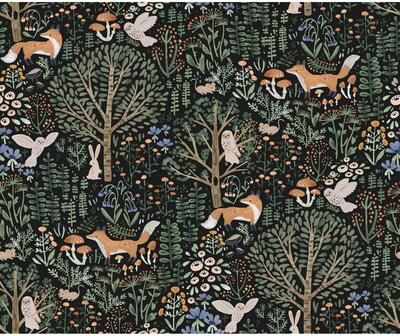
Roommates Clara Jean Folklore ForestInvite beloved folklore whimsy to your space with this scandinavian animal print! Atop a black background, fanciful foxes prance with woodland friends in a mysterious forest! Installing this charming print is as easy as peel, stick, done!49,59 $*Shipping: 0,00 $Secure redirect to the provider
-
Graham & Brown Folklore Tree SageInspired by the Arts and Crafts movement, Folklore Tree is a beautifully painted design, the simplicity of the illustration allows for a playful use of colour. Our colour of the year 2024 Viridis compliments this colourway.200,00 $*Shipping: 0,00 $Secure redirect to the provider
-
Roommates Almond & Vintage Clara Jean Folklore ForestFolklore whimsy featuring sweet fox kits and other forest critters will create a charm like no other in your space! With neutral tones of beige, taupe, and accents of orange and green this print is as soothing as it is magical. Peel, stick, done!48,39 $*Shipping: 0,00 $Secure redirect to the provider
-
Sagebrook Home Pottery Terracotta Vase Artisan Style Traditional Classic SilhouetteAdd rustic flair instantly - Crafted from durable terracotta pottery, this decorative vase brings timeless charm to any bedroom, living room, or entryway display.64,59 $*Shipping: 0,00 $Secure redirect to the provider
-
Lower classifications of crustaceans
Lower classifications of crustaceans include groups such as Malacostraca, Branchiopoda, Maxillopoda, and Remipedia. These groups are further divided into various orders, families, and species. Each lower classification has unique characteristics and adaptations that help them thrive in different aquatic environments. Studying these lower classifications helps scientists understand the diversity and evolution of crustaceans. **
-
How can one breed prehistoric crustaceans?
Breeding prehistoric crustaceans would require a deep understanding of their natural habitat, behavior, and dietary needs. It would also involve creating an environment that closely mimics the conditions of the prehistoric era, including water temperature, salinity, and oxygen levels. Additionally, it would be important to source the specific species of prehistoric crustaceans and ensure that they are not endangered or protected. Finally, careful monitoring and maintenance of the breeding environment would be necessary to ensure the health and reproduction of the crustaceans. **
-
How long do prehistoric crustaceans live?
The lifespan of prehistoric crustaceans varied depending on the species. Some prehistoric crustaceans, such as the horseshoe crab, are known to have existed for hundreds of millions of years, making them one of the oldest living species on Earth. Other prehistoric crustaceans may have had shorter lifespans, but due to the limited fossil record, it is difficult to determine the exact lifespan of all prehistoric crustaceans. Overall, prehistoric crustaceans were able to survive and thrive for millions of years, adapting to changing environmental conditions and evolving alongside other ancient species. **
-
What are prehistoric crustaceans as a gift?
Prehistoric crustaceans as a gift could refer to fossils or replicas of ancient crustaceans that lived millions of years ago. These could include creatures such as trilobites, ancient shrimp, or other early crustaceans that are now extinct. These gifts could be of interest to paleontologists, collectors, or anyone fascinated by prehistoric life. They provide a unique and educational gift option for those interested in natural history and the evolution of life on Earth. **
Similar search terms for Crustaceans
-
RoomMates White & Grey Folklore Trees Peel and Stick WallpaperFilled with cozy, hygge style, Grey Folklore Trees Peel and Stick Wallpaper is sure to catch the eye of everyone who enters your home. This whimsical pattern creates a space for the mind to wander.39,49 $*Shipping: 0,00 $Secure redirect to the provider
-
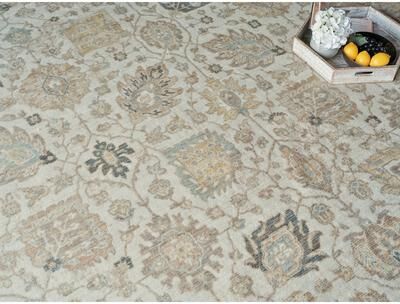
Exquisite Rugs Artisan Handmade Wool/Nylon in Ivory Area RugThis collection seamlessly blends traditional influences with contemporary design elements. Hand-finished with meticulous care, each rug features a low profile and a smooth, plush pile crafted from a premium wool blend.1599,00 $*Shipping: 0,00 $Secure redirect to the provider
-
How do I properly breed prehistoric crustaceans?
To properly breed prehistoric crustaceans, you will need to create an environment that closely mimics their natural habitat. This includes providing a suitable tank with the right water conditions, temperature, and pH levels. You will also need to ensure that the crustaceans have access to the right food sources and hiding places. It's important to research the specific species of prehistoric crustaceans you are breeding to understand their unique needs and behaviors. Additionally, monitoring water quality and maintaining a clean environment is crucial for the health and successful breeding of prehistoric crustaceans. **
-
What concerns are there when raising prehistoric crustaceans?
When raising prehistoric crustaceans, some concerns may include ensuring they have the proper environment and conditions to thrive, such as appropriate water quality and temperature. Another concern is providing them with a suitable diet that mimics their natural food sources. Additionally, it is important to monitor their growth and behavior closely to address any health issues or aggression that may arise in a communal setting. **
-
Why don't prehistoric crustaceans hatch in my case?
Prehistoric crustaceans do not hatch in your case because they require specific environmental conditions to hatch and develop. These conditions may include a certain temperature, water quality, and oxygen levels, which may not be present in your case. Additionally, prehistoric crustaceans may require specific nutrients and food sources that are not available in your case. Finally, prehistoric crustaceans may not be present in your case in the first place, as they are typically found in natural aquatic environments. **
-
What are the differences between crustaceans and spiders?
Crustaceans and spiders belong to different classes within the phylum Arthropoda. Crustaceans, such as crabs and shrimp, have a distinct body structure with two pairs of antennae and two body segments: the cephalothorax and abdomen. They also have gills for breathing and typically live in aquatic environments. Spiders, on the other hand, have a two-part body consisting of the cephalothorax and abdomen, with four pairs of legs and no antennae. They also have spinnerets for producing silk and are predominantly terrestrial. Additionally, spiders are arachnids, while crustaceans are not. **
* All prices are inclusive of VAT and, if applicable, plus shipping costs. The offer information is based on the details provided by the respective shop and is updated through automated processes. Real-time updates do not occur, so deviations can occur in individual cases. ** Note: Parts of this content were created by AI.