Buy balkaneana.eu ?
We are moving the project
balkaneana.eu .
Are you interested in purchasing the domain
balkaneana.eu ?
domain@kv-gmbh.de · 0541-91531010
Buy balkaneana.eu ?
What is the difference between self-pollination and cross-pollination?
Self-pollination occurs when pollen from the same plant fertilizes the ovules within the same flower or between different flowers on the same plant. This can happen through the transfer of pollen by wind, water, or self-pollinating mechanisms. On the other hand, cross-pollination involves the transfer of pollen from the male reproductive organ of one plant to the female reproductive organ of another plant of the same species. This process promotes genetic diversity and can result in stronger, more resilient offspring. **
What are the advantages and disadvantages of self-pollination in plants?
Self-pollination in plants has advantages such as ensuring reproductive success even in isolated or small populations, as it does not rely on external agents like wind or insects for pollination. This can lead to faster and more efficient reproduction. However, self-pollination can also result in reduced genetic diversity within a population, making plants more susceptible to diseases and environmental changes. It can also limit the potential for beneficial genetic variations to arise through cross-pollination. **

Similar search terms for Self-pollination
Top-Angebote
Products related to Self-pollination:
-
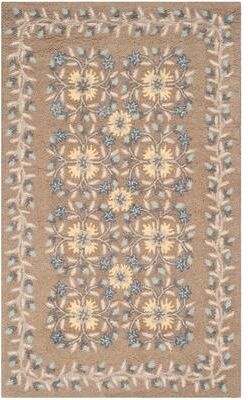
Graham & Brown Folklore Tree SageInspired by the Arts and Crafts movement, Folklore Tree is a beautifully painted design, the simplicity of the illustration allows for a playful use of colour. Our colour of the year 2024 Viridis compliments this colourway.200,00 $*Shipping: 0,00 $Secure redirect to the provider
-
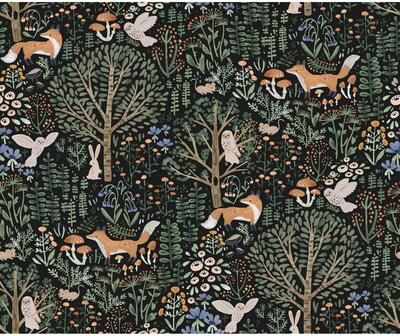
Roommates Clara Jean Folklore ForestInvite beloved folklore whimsy to your space with this scandinavian animal print! Atop a black background, fanciful foxes prance with woodland friends in a mysterious forest! Installing this charming print is as easy as peel, stick, done!49,59 $*Shipping: 0,00 $Secure redirect to the provider
-
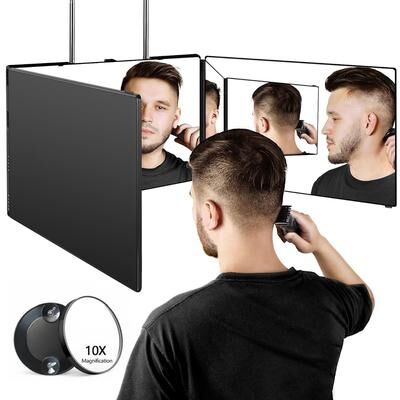
Fusion Finds Trifold Mirror For Self Haircuts Adjustable Self Haircut Mirror For Men & Women Trifold Mirror For Self Haircuts Adjustable Self Haircut Mirror For Men & WomenTake control of your grooming routine and achieve barbershopquality results from the comfort of home. This 3 way mirror is designed for anyone who wants precise, confident selfhaircuts, shaving, braiding, or hair coloring without the extra expense...59,97 $*Shipping: 0,00 $Secure redirect to the provider
-
Roommates Almond & Vintage Clara Jean Folklore ForestFolklore whimsy featuring sweet fox kits and other forest critters will create a charm like no other in your space! With neutral tones of beige, taupe, and accents of orange and green this print is as soothing as it is magical. Peel, stick, done!48,39 $*Shipping: 0,00 $Secure redirect to the provider


-
What is pollination in flowers?
Pollination in flowers is the process by which pollen from the male reproductive organs (anthers) of a flower is transferred to the female reproductive organs (stigma) of the same or another flower, leading to fertilization and the production of seeds. This transfer of pollen can occur through various means, including wind, water, and animals such as bees, butterflies, and birds. Pollination is essential for the reproduction of flowering plants and the production of fruits and seeds. **
-
How does pollination occur in insects?
Pollination in insects occurs when they visit flowers in search of nectar or pollen. As they feed, they inadvertently brush against the reproductive parts of the flower, picking up pollen grains. When the insect moves to another flower of the same species, some of this pollen is transferred to the stigma, fertilizing the flower. This process allows for the successful reproduction of many plant species with the help of insect pollinators. **
-
What forms of pollination exist in primroses?
Primroses exhibit both self-pollination and cross-pollination. Self-pollination occurs when the plant's own pollen fertilizes its own ovules, leading to genetic uniformity. Cross-pollination, on the other hand, involves the transfer of pollen from one plant to another, promoting genetic diversity. Primroses can be pollinated by insects, such as bees and butterflies, as well as by wind. **
-
How does the pollination of insects occur?
Insect pollination occurs when insects, such as bees, butterflies, and beetles, visit flowers in search of nectar or pollen. As they move from flower to flower, they inadvertently transfer pollen from the male reproductive parts of one flower to the female reproductive parts of another. This transfer of pollen allows for fertilization and the production of seeds and fruits. Insects are attracted to flowers by their colors, scents, and nectar, and in the process of feeding, they facilitate the crucial process of pollination. **


Self-publishing or traditional publishing?
The decision between self-publishing and traditional publishing depends on your goals, resources, and preferences. Self-publishing offers more control and higher royalties, but requires more effort in terms of marketing and distribution. Traditional publishing provides access to professional editing, design, and distribution, but involves a longer process and lower royalties. Consider your priorities and research both options thoroughly before making a decision. **
What terms exist for external and internal pollination?
External pollination occurs when pollen is transferred between flowers by an external agent, such as wind, water, or animals. Internal pollination, on the other hand, occurs when pollen is transferred within the same flower or between flowers of the same plant. Both types of pollination are essential for the reproduction of many plant species. **
Top-Angebote
Products related to Self-pollination:
-
Classic Cuisine Countertop Bullet Ice Maker With Self Cleaning FunctionKeep fresh ice ready for drinks, parties, and everyday use with the Countertop Bullet Ice Maker by Classic Cuisine. This compact ice machine produces bullet-shaped ice in as little as 6-8 minutes and can make up to 22 pounds of ice per day.115,99 $*Shipping: 0,00 $Secure redirect to the provider
-
Graham & Brown Folklore Tree SageInspired by the Arts and Crafts movement, Folklore Tree is a beautifully painted design, the simplicity of the illustration allows for a playful use of colour. Our colour of the year 2024 Viridis compliments this colourway.200,00 $*Shipping: 0,00 $Secure redirect to the provider
-
Roommates Clara Jean Folklore ForestInvite beloved folklore whimsy to your space with this scandinavian animal print! Atop a black background, fanciful foxes prance with woodland friends in a mysterious forest! Installing this charming print is as easy as peel, stick, done!49,59 $*Shipping: 0,00 $Secure redirect to the provider
-
What is the difference between self-pollination and cross-pollination?
Self-pollination occurs when pollen from the same plant fertilizes the ovules within the same flower or between different flowers on the same plant. This can happen through the transfer of pollen by wind, water, or self-pollinating mechanisms. On the other hand, cross-pollination involves the transfer of pollen from the male reproductive organ of one plant to the female reproductive organ of another plant of the same species. This process promotes genetic diversity and can result in stronger, more resilient offspring. **
-
What are the advantages and disadvantages of self-pollination in plants?
Self-pollination in plants has advantages such as ensuring reproductive success even in isolated or small populations, as it does not rely on external agents like wind or insects for pollination. This can lead to faster and more efficient reproduction. However, self-pollination can also result in reduced genetic diversity within a population, making plants more susceptible to diseases and environmental changes. It can also limit the potential for beneficial genetic variations to arise through cross-pollination. **
-
What is pollination in flowers?
Pollination in flowers is the process by which pollen from the male reproductive organs (anthers) of a flower is transferred to the female reproductive organs (stigma) of the same or another flower, leading to fertilization and the production of seeds. This transfer of pollen can occur through various means, including wind, water, and animals such as bees, butterflies, and birds. Pollination is essential for the reproduction of flowering plants and the production of fruits and seeds. **
-
How does pollination occur in insects?
Pollination in insects occurs when they visit flowers in search of nectar or pollen. As they feed, they inadvertently brush against the reproductive parts of the flower, picking up pollen grains. When the insect moves to another flower of the same species, some of this pollen is transferred to the stigma, fertilizing the flower. This process allows for the successful reproduction of many plant species with the help of insect pollinators. **
Similar search terms for Self-pollination
-
Fusion Finds Trifold Mirror For Self Haircuts Adjustable Self Haircut Mirror For Men & Women Trifold Mirror For Self Haircuts Adjustable Self Haircut Mirror For Men & WomenTake control of your grooming routine and achieve barbershopquality results from the comfort of home. This 3 way mirror is designed for anyone who wants precise, confident selfhaircuts, shaving, braiding, or hair coloring without the extra expense...59,97 $*Shipping: 0,00 $Secure redirect to the provider
-
Roommates Almond & Vintage Clara Jean Folklore ForestFolklore whimsy featuring sweet fox kits and other forest critters will create a charm like no other in your space! With neutral tones of beige, taupe, and accents of orange and green this print is as soothing as it is magical. Peel, stick, done!48,39 $*Shipping: 0,00 $Secure redirect to the provider
-
Quick Pick Pro Portable Self Tanning Brush, Self Tan Brush Soft Body Makeup Brush, Self Tanner Face Brush For Body And Leg Makeup Portable Self Tanning Brush, Self Tan Brush Soft Body Makeup Brush, Self Tanner Face Brush For Body And Leg MakeupFlawless Tanning Made Simple Achieve a smooth, streakfree tan every time with our Self Tan Brush Soft Body Makeup Brush. Designed for even blending and maximum coverage, this brush ensures your favorite selftanner or bronzer glides effortlessly...22,97 $*Shipping: 0,00 $Secure redirect to the provider
-
What forms of pollination exist in primroses?
Primroses exhibit both self-pollination and cross-pollination. Self-pollination occurs when the plant's own pollen fertilizes its own ovules, leading to genetic uniformity. Cross-pollination, on the other hand, involves the transfer of pollen from one plant to another, promoting genetic diversity. Primroses can be pollinated by insects, such as bees and butterflies, as well as by wind. **
-
How does the pollination of insects occur?
Insect pollination occurs when insects, such as bees, butterflies, and beetles, visit flowers in search of nectar or pollen. As they move from flower to flower, they inadvertently transfer pollen from the male reproductive parts of one flower to the female reproductive parts of another. This transfer of pollen allows for fertilization and the production of seeds and fruits. Insects are attracted to flowers by their colors, scents, and nectar, and in the process of feeding, they facilitate the crucial process of pollination. **
-
Self-publishing or traditional publishing?
The decision between self-publishing and traditional publishing depends on your goals, resources, and preferences. Self-publishing offers more control and higher royalties, but requires more effort in terms of marketing and distribution. Traditional publishing provides access to professional editing, design, and distribution, but involves a longer process and lower royalties. Consider your priorities and research both options thoroughly before making a decision. **
-
What terms exist for external and internal pollination?
External pollination occurs when pollen is transferred between flowers by an external agent, such as wind, water, or animals. Internal pollination, on the other hand, occurs when pollen is transferred within the same flower or between flowers of the same plant. Both types of pollination are essential for the reproduction of many plant species. **
* All prices are inclusive of VAT and, if applicable, plus shipping costs. The offer information is based on the details provided by the respective shop and is updated through automated processes. Real-time updates do not occur, so deviations can occur in individual cases. ** Note: Parts of this content were created by AI.