Buy balkaneana.eu ?
We are moving the project
balkaneana.eu .
Are you interested in purchasing the domain
balkaneana.eu ?
domain@kv-gmbh.de · 0541-91531010
Buy balkaneana.eu ?
Is taxonomy the same as systematics?
Taxonomy and systematics are related fields within biology, but they are not the same. Taxonomy is the science of naming, defining, and classifying organisms into different categories based on their similarities and differences. Systematics, on the other hand, is the study of the evolutionary relationships between different organisms, including their classification and the reconstruction of their evolutionary history. While taxonomy focuses on the naming and categorization of organisms, systematics delves deeper into understanding the evolutionary relationships and patterns among different species. **
Can one create family trees and cladograms using taxonomy?
Yes, one can create family trees and cladograms using taxonomy. Taxonomy is the science of classifying organisms into different categories based on their characteristics and evolutionary relationships. By organizing organisms into groups based on their similarities and differences, taxonomists can create family trees that show the evolutionary history and relationships between different species. Cladograms, which are branching diagrams that show these relationships, can also be constructed using taxonomic data to visually represent the evolutionary history of a group of organisms. **

Similar search terms for Taxonomy
Top-Angebote
Products related to Taxonomy:
-
Graham & Brown Folklore Tree SkyInspired by the Arts and Crafts movement, Folklore Tree is a beautifully painted design, the simplicity of the illustration allows for a playful use of colour. The Sky colourway features Bali Blue in the background for a really fresh feel.200,00 $*Shipping: 0,00 $Secure redirect to the provider


-
Can one create phylogenetic trees and cladograms using taxonomy?
Yes, one can create phylogenetic trees and cladograms using taxonomy. Taxonomy, the science of classifying organisms based on shared characteristics, forms the basis for constructing phylogenetic trees and cladograms. By organizing organisms into groups based on their evolutionary relationships, taxonomic classifications can be used to create visual representations of these relationships in the form of phylogenetic trees and cladograms. These tools help researchers understand the evolutionary history and relatedness of different species. **
-
What is the difference between taxonomy and nomenclature in systematics?
Taxonomy is the science of classifying and naming organisms based on their characteristics and evolutionary relationships. It involves identifying, describing, and naming species, as well as organizing them into hierarchical categories like genus and family. Nomenclature, on the other hand, is the system of rules and conventions for naming organisms. It includes the specific rules for assigning scientific names to organisms, ensuring that each species has a unique and universally recognized name. In summary, taxonomy is the science of classification, while nomenclature is the system of naming within that classification system. **
-
Why does the WordPress custom taxonomy not appear in the Gutenberg editor?
The WordPress custom taxonomy does not appear in the Gutenberg editor by default because the Gutenberg editor is designed to primarily handle content creation and editing, while taxonomies are more related to organizing and categorizing content. However, developers can enable the display of custom taxonomies in the Gutenberg editor by using custom code or plugins to integrate the taxonomies into the editor interface. This allows users to easily assign and manage taxonomy terms for their content within the Gutenberg editor. **
-
What is traditional German music?
Traditional German music includes a wide range of styles and genres that have been passed down through generations. Some of the most well-known traditional German music includes folk music, classical music, and regional styles such as Bavarian and Tyrolean music. Instruments commonly used in traditional German music include the accordion, clarinet, and various types of brass and string instruments. The lyrics often reflect themes of nature, love, and everyday life in Germany. Traditional German music is an important part of the country's cultural heritage and is still celebrated and performed at festivals and events throughout the country. **


What is traditional Mexican music?
Traditional Mexican music encompasses a wide variety of styles and genres that have been passed down through generations. It includes music such as mariachi, ranchera, corrido, and jarabe, each with its own unique instruments, rhythms, and lyrical themes. These musical traditions often reflect the cultural heritage and regional diversity of Mexico, and are an important part of the country's cultural identity. Traditional Mexican music is often characterized by lively rhythms, passionate vocals, and the use of instruments such as the guitar, trumpet, violin, and accordion. **
What is Russian traditional music?
Russian traditional music encompasses a wide range of styles and genres that have been passed down through generations. It includes folk songs, dances, and instrumental music that reflect the diverse cultural heritage of Russia. Traditional Russian music often features instruments such as the balalaika, accordion, and various types of flutes and percussion. The melodies and rhythms of Russian traditional music are often lively and energetic, reflecting the rich history and traditions of the Russian people. **
Top-Angebote
Products related to Taxonomy:
-
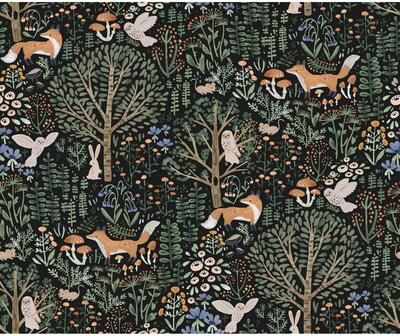
Roommates Clara Jean Folklore ForestInvite beloved folklore whimsy to your space with this scandinavian animal print! Atop a black background, fanciful foxes prance with woodland friends in a mysterious forest! Installing this charming print is as easy as peel, stick, done!47,95 $*Shipping: 0,00 $Secure redirect to the provider
-
Graham & Brown Folklore Tree SageInspired by the Arts and Crafts movement, Folklore Tree is a beautifully painted design, the simplicity of the illustration allows for a playful use of colour. Our colour of the year 2024 Viridis compliments this colourway.200,00 $*Shipping: 0,00 $Secure redirect to the provider
-
Graham & Brown Folklore Tree SkyInspired by the Arts and Crafts movement, Folklore Tree is a beautifully painted design, the simplicity of the illustration allows for a playful use of colour. The Sky colourway features Bali Blue in the background for a really fresh feel.200,00 $*Shipping: 0,00 $Secure redirect to the provider
-
Is taxonomy the same as systematics?
Taxonomy and systematics are related fields within biology, but they are not the same. Taxonomy is the science of naming, defining, and classifying organisms into different categories based on their similarities and differences. Systematics, on the other hand, is the study of the evolutionary relationships between different organisms, including their classification and the reconstruction of their evolutionary history. While taxonomy focuses on the naming and categorization of organisms, systematics delves deeper into understanding the evolutionary relationships and patterns among different species. **
-
Can one create family trees and cladograms using taxonomy?
Yes, one can create family trees and cladograms using taxonomy. Taxonomy is the science of classifying organisms into different categories based on their characteristics and evolutionary relationships. By organizing organisms into groups based on their similarities and differences, taxonomists can create family trees that show the evolutionary history and relationships between different species. Cladograms, which are branching diagrams that show these relationships, can also be constructed using taxonomic data to visually represent the evolutionary history of a group of organisms. **
-
Can one create phylogenetic trees and cladograms using taxonomy?
Yes, one can create phylogenetic trees and cladograms using taxonomy. Taxonomy, the science of classifying organisms based on shared characteristics, forms the basis for constructing phylogenetic trees and cladograms. By organizing organisms into groups based on their evolutionary relationships, taxonomic classifications can be used to create visual representations of these relationships in the form of phylogenetic trees and cladograms. These tools help researchers understand the evolutionary history and relatedness of different species. **
-
What is the difference between taxonomy and nomenclature in systematics?
Taxonomy is the science of classifying and naming organisms based on their characteristics and evolutionary relationships. It involves identifying, describing, and naming species, as well as organizing them into hierarchical categories like genus and family. Nomenclature, on the other hand, is the system of rules and conventions for naming organisms. It includes the specific rules for assigning scientific names to organisms, ensuring that each species has a unique and universally recognized name. In summary, taxonomy is the science of classification, while nomenclature is the system of naming within that classification system. **
Similar search terms for Taxonomy
-
Why does the WordPress custom taxonomy not appear in the Gutenberg editor?
The WordPress custom taxonomy does not appear in the Gutenberg editor by default because the Gutenberg editor is designed to primarily handle content creation and editing, while taxonomies are more related to organizing and categorizing content. However, developers can enable the display of custom taxonomies in the Gutenberg editor by using custom code or plugins to integrate the taxonomies into the editor interface. This allows users to easily assign and manage taxonomy terms for their content within the Gutenberg editor. **
-
What is traditional German music?
Traditional German music includes a wide range of styles and genres that have been passed down through generations. Some of the most well-known traditional German music includes folk music, classical music, and regional styles such as Bavarian and Tyrolean music. Instruments commonly used in traditional German music include the accordion, clarinet, and various types of brass and string instruments. The lyrics often reflect themes of nature, love, and everyday life in Germany. Traditional German music is an important part of the country's cultural heritage and is still celebrated and performed at festivals and events throughout the country. **
-
What is traditional Mexican music?
Traditional Mexican music encompasses a wide variety of styles and genres that have been passed down through generations. It includes music such as mariachi, ranchera, corrido, and jarabe, each with its own unique instruments, rhythms, and lyrical themes. These musical traditions often reflect the cultural heritage and regional diversity of Mexico, and are an important part of the country's cultural identity. Traditional Mexican music is often characterized by lively rhythms, passionate vocals, and the use of instruments such as the guitar, trumpet, violin, and accordion. **
-
What is Russian traditional music?
Russian traditional music encompasses a wide range of styles and genres that have been passed down through generations. It includes folk songs, dances, and instrumental music that reflect the diverse cultural heritage of Russia. Traditional Russian music often features instruments such as the balalaika, accordion, and various types of flutes and percussion. The melodies and rhythms of Russian traditional music are often lively and energetic, reflecting the rich history and traditions of the Russian people. **
* All prices are inclusive of VAT and, if applicable, plus shipping costs. The offer information is based on the details provided by the respective shop and is updated through automated processes. Real-time updates do not occur, so deviations can occur in individual cases. ** Note: Parts of this content were created by AI.