Buy balkaneana.eu ?
We are moving the project
balkaneana.eu .
Are you interested in purchasing the domain
balkaneana.eu ?
domain@kv-gmbh.de · 0541-91531010
Buy balkaneana.eu ?
What are the material designations of alloying elements?
The material designations of alloying elements are typically represented by symbols or abbreviations. For example, carbon is represented by the symbol C, manganese by Mn, silicon by Si, and nickel by Ni. These designations are used to identify the specific elements present in an alloy and their respective concentrations. By understanding the material designations of alloying elements, engineers and metallurgists can better predict the properties and behavior of the alloy. **
What is the main alloying element of iron?
The main alloying element of iron is carbon. When carbon is added to iron in controlled amounts, it forms the alloy known as steel. The carbon content in steel can vary, affecting its properties such as strength, hardness, and ductility. Other alloying elements like manganese, chromium, and nickel can also be added to iron to create different types of steel with specific characteristics. **
Similar search terms for Alloying
Top-Angebote
Products related to Alloying:
-
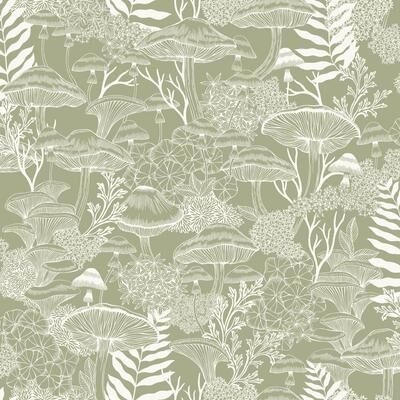
Graham & Brown Fungi Folklore WallpaperBring the enchanting world of the forest into your home with our Fungi Folklore Willow Wallpaper. The delicate white linework on a calming sage green backdrop brings a touch of whimsical beauty and nature-inspired elegance.200,00 $*Shipping: 0,00 $Secure redirect to the provider
-
Graham & Brown Folklore Tree SageInspired by the Arts and Crafts movement, Folklore Tree is a beautifully painted design, the simplicity of the illustration allows for a playful use of colour. Our colour of the year 2024 Viridis compliments this colourway.168,00 $*Shipping: 0,00 $Secure redirect to the provider
-
Roommates Almond & Vintage Clara Jean Folklore ForestFolklore whimsy featuring sweet fox kits and other forest critters will create a charm like no other in your space! With neutral tones of beige, taupe, and accents of orange and green this print is as soothing as it is magical. Peel, stick, done!48,39 $*Shipping: 0,00 $Secure redirect to the provider
-
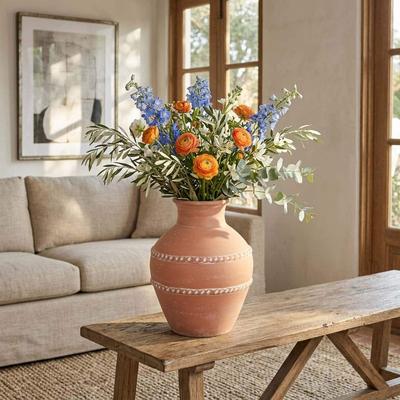
Sagebrook Home Pottery Terracotta Vase Artisan Style Traditional Classic SilhouetteAdd rustic flair instantly - Crafted from durable terracotta pottery, this decorative vase brings timeless charm to any bedroom, living room, or entryway display.64,59 $*Shipping: 0,00 $Secure redirect to the provider


-
What does the alloying of metals mean in chemistry?
In chemistry, alloying of metals refers to the process of combining two or more metals to create a new material with enhanced properties. This is typically done to improve the strength, hardness, or corrosion resistance of the resulting alloy. By mixing different metals together, the alloy can exhibit a combination of characteristics that are not present in the individual metals. Alloying is a common practice in metallurgy and is used to create a wide range of materials for various industrial applications. **
-
Why are additional alloying metals used in the thermite process?
Additional alloying metals are used in the thermite process to improve the properties of the resulting alloy. These metals can help enhance the strength, hardness, and corrosion resistance of the final product. They can also help control the reaction rate and temperature during the thermite process, ensuring a more controlled and efficient reaction. Overall, the addition of alloying metals allows for the customization of the alloy to meet specific requirements for different applications. **
-
Why does raw steel need to be refined through alloying?
Raw steel needs to be refined through alloying because it helps to improve its properties and performance. Alloying involves adding other elements such as carbon, manganese, and nickel to the steel to enhance its strength, hardness, and resistance to corrosion. This process also allows for the customization of steel to meet specific requirements for different applications, such as in construction, automotive, and manufacturing industries. Overall, alloying raw steel is essential for creating a wide range of steel products with varying characteristics and performance capabilities. **
-
What is traditional German music?
Traditional German music includes a wide range of styles and genres that have been passed down through generations. Some of the most well-known traditional German music includes folk music, classical music, and regional styles such as Bavarian and Tyrolean music. Instruments commonly used in traditional German music include the accordion, clarinet, and various types of brass and string instruments. The lyrics often reflect themes of nature, love, and everyday life in Germany. Traditional German music is an important part of the country's cultural heritage and is still celebrated and performed at festivals and events throughout the country. **


What is traditional Mexican music?
Traditional Mexican music encompasses a wide variety of styles and genres that have been passed down through generations. It includes music such as mariachi, ranchera, corrido, and jarabe, each with its own unique instruments, rhythms, and lyrical themes. These musical traditions often reflect the cultural heritage and regional diversity of Mexico, and are an important part of the country's cultural identity. Traditional Mexican music is often characterized by lively rhythms, passionate vocals, and the use of instruments such as the guitar, trumpet, violin, and accordion. **
What is Russian traditional music?
Russian traditional music encompasses a wide range of styles and genres that have been passed down through generations. It includes folk songs, dances, and instrumental music that reflect the diverse cultural heritage of Russia. Traditional Russian music often features instruments such as the balalaika, accordion, and various types of flutes and percussion. The melodies and rhythms of Russian traditional music are often lively and energetic, reflecting the rich history and traditions of the Russian people. **
Top-Angebote
Products related to Alloying:
-
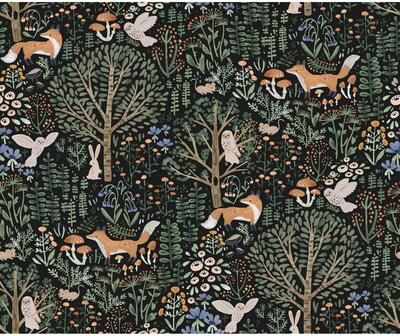
Roommates Clara Jean Folklore ForestInvite beloved folklore whimsy to your space with this scandinavian animal print! Atop a black background, fanciful foxes prance with woodland friends in a mysterious forest! Installing this charming print is as easy as peel, stick, done!49,59 $*Shipping: 0,00 $Secure redirect to the provider
-
Graham & Brown Fungi Folklore WallpaperBring the enchanting world of the forest into your home with our Fungi Folklore Willow Wallpaper. The delicate white linework on a calming sage green backdrop brings a touch of whimsical beauty and nature-inspired elegance.200,00 $*Shipping: 0,00 $Secure redirect to the provider
-
Graham & Brown Folklore Tree SageInspired by the Arts and Crafts movement, Folklore Tree is a beautifully painted design, the simplicity of the illustration allows for a playful use of colour. Our colour of the year 2024 Viridis compliments this colourway.168,00 $*Shipping: 0,00 $Secure redirect to the provider
-
What are the material designations of alloying elements?
The material designations of alloying elements are typically represented by symbols or abbreviations. For example, carbon is represented by the symbol C, manganese by Mn, silicon by Si, and nickel by Ni. These designations are used to identify the specific elements present in an alloy and their respective concentrations. By understanding the material designations of alloying elements, engineers and metallurgists can better predict the properties and behavior of the alloy. **
-
What is the main alloying element of iron?
The main alloying element of iron is carbon. When carbon is added to iron in controlled amounts, it forms the alloy known as steel. The carbon content in steel can vary, affecting its properties such as strength, hardness, and ductility. Other alloying elements like manganese, chromium, and nickel can also be added to iron to create different types of steel with specific characteristics. **
-
What does the alloying of metals mean in chemistry?
In chemistry, alloying of metals refers to the process of combining two or more metals to create a new material with enhanced properties. This is typically done to improve the strength, hardness, or corrosion resistance of the resulting alloy. By mixing different metals together, the alloy can exhibit a combination of characteristics that are not present in the individual metals. Alloying is a common practice in metallurgy and is used to create a wide range of materials for various industrial applications. **
-
Why are additional alloying metals used in the thermite process?
Additional alloying metals are used in the thermite process to improve the properties of the resulting alloy. These metals can help enhance the strength, hardness, and corrosion resistance of the final product. They can also help control the reaction rate and temperature during the thermite process, ensuring a more controlled and efficient reaction. Overall, the addition of alloying metals allows for the customization of the alloy to meet specific requirements for different applications. **
Similar search terms for Alloying
-
Roommates Almond & Vintage Clara Jean Folklore ForestFolklore whimsy featuring sweet fox kits and other forest critters will create a charm like no other in your space! With neutral tones of beige, taupe, and accents of orange and green this print is as soothing as it is magical. Peel, stick, done!48,39 $*Shipping: 0,00 $Secure redirect to the provider
-
Sagebrook Home Pottery Terracotta Vase Artisan Style Traditional Classic SilhouetteAdd rustic flair instantly - Crafted from durable terracotta pottery, this decorative vase brings timeless charm to any bedroom, living room, or entryway display.64,59 $*Shipping: 0,00 $Secure redirect to the provider
-
Why does raw steel need to be refined through alloying?
Raw steel needs to be refined through alloying because it helps to improve its properties and performance. Alloying involves adding other elements such as carbon, manganese, and nickel to the steel to enhance its strength, hardness, and resistance to corrosion. This process also allows for the customization of steel to meet specific requirements for different applications, such as in construction, automotive, and manufacturing industries. Overall, alloying raw steel is essential for creating a wide range of steel products with varying characteristics and performance capabilities. **
-
What is traditional German music?
Traditional German music includes a wide range of styles and genres that have been passed down through generations. Some of the most well-known traditional German music includes folk music, classical music, and regional styles such as Bavarian and Tyrolean music. Instruments commonly used in traditional German music include the accordion, clarinet, and various types of brass and string instruments. The lyrics often reflect themes of nature, love, and everyday life in Germany. Traditional German music is an important part of the country's cultural heritage and is still celebrated and performed at festivals and events throughout the country. **
-
What is traditional Mexican music?
Traditional Mexican music encompasses a wide variety of styles and genres that have been passed down through generations. It includes music such as mariachi, ranchera, corrido, and jarabe, each with its own unique instruments, rhythms, and lyrical themes. These musical traditions often reflect the cultural heritage and regional diversity of Mexico, and are an important part of the country's cultural identity. Traditional Mexican music is often characterized by lively rhythms, passionate vocals, and the use of instruments such as the guitar, trumpet, violin, and accordion. **
-
What is Russian traditional music?
Russian traditional music encompasses a wide range of styles and genres that have been passed down through generations. It includes folk songs, dances, and instrumental music that reflect the diverse cultural heritage of Russia. Traditional Russian music often features instruments such as the balalaika, accordion, and various types of flutes and percussion. The melodies and rhythms of Russian traditional music are often lively and energetic, reflecting the rich history and traditions of the Russian people. **
* All prices are inclusive of VAT and, if applicable, plus shipping costs. The offer information is based on the details provided by the respective shop and is updated through automated processes. Real-time updates do not occur, so deviations can occur in individual cases. ** Note: Parts of this content were created by AI.