Buy balkaneana.eu ?
We are moving the project
balkaneana.eu .
Are you interested in purchasing the domain
balkaneana.eu ?
domain@kv-gmbh.de · 0541-91531010
Buy balkaneana.eu ?
'Imperfect or simple past?'
The choice between using imperfect or simple past tense depends on the context and the specific action being described. The imperfect tense is used to describe ongoing or repeated actions in the past, while the simple past tense is used to describe completed actions in the past. It is important to consider the duration and completion of the action when deciding between imperfect or simple past tense. **
'Imperfect or past tense?'
The imperfect tense is used to describe ongoing or repeated actions in the past, while the past tense is used to describe completed actions in the past. The imperfect tense often sets the scene or provides background information in a story, while the past tense moves the narrative forward by detailing specific events. Both tenses are important in storytelling as they help create a sense of time and progression in the narrative. **
Similar search terms for Imperfect
Top-Angebote
Products related to Imperfect:
-
Graham & Brown Folklore Tree SageInspired by the Arts and Crafts movement, Folklore Tree is a beautifully painted design, the simplicity of the illustration allows for a playful use of colour. Our colour of the year 2024 Viridis compliments this colourway.200,00 $*Shipping: 0,00 $Secure redirect to the provider
-
Graham & Brown Folklore Tree SkyInspired by the Arts and Crafts movement, Folklore Tree is a beautifully painted design, the simplicity of the illustration allows for a playful use of colour. The Sky colourway features Bali Blue in the background for a really fresh feel.200,00 $*Shipping: 0,00 $Secure redirect to the provider


-
Why is God imperfect?
The concept of God being imperfect is subjective and varies depending on one's beliefs and interpretations. Some may argue that God is imperfect because of the existence of suffering and evil in the world, which they believe a perfect being would not allow. Others may view imperfections in God as a way to relate to humanity and understand human struggles. Ultimately, the idea of God's imperfection is a complex and deeply philosophical question that has been debated by theologians and scholars for centuries. **
-
Imperfect or passé composé when?
The choice between imperfect and passé composé depends on the context and the specific action being described. The imperfect is used to describe ongoing or repeated actions in the past, while the passé composé is used for completed actions. If the action is a one-time event that happened in the past, the passé composé is more appropriate. However, if the action was ongoing or repeated, the imperfect should be used. **
-
When is the imperfect tense used?
The imperfect tense is used in Spanish to describe ongoing or repeated actions in the past. It is also used to describe past actions that do not have a specific endpoint or duration. Additionally, the imperfect tense is used to describe past habitual actions or states of being. **
-
When is the Preterite Imperfect used?
The Preterite Imperfect is used to describe past actions that were ongoing or habitual in the past. It is also used to describe background information or set the scene in a story. Additionally, it can be used to express simultaneous actions in the past. **


Is nature creation perfect or imperfect?
Nature creation can be seen as both perfect and imperfect. On one hand, the intricate balance and beauty found in nature can be seen as perfect, showcasing the complexity and harmony of the natural world. However, imperfections such as natural disasters, diseases, and extinction of species also exist, highlighting the flaws and vulnerabilities within nature. Ultimately, the concept of perfection or imperfection in nature is subjective and can vary depending on individual perspectives. **
Why is the imperfect used there?
The imperfect is used in this sentence to describe a repeated or ongoing action in the past. It indicates that the action of watching TV was habitual or continuous in the past, rather than a one-time event. This tense helps to provide context and background information about the speaker's past behavior. **
Top-Angebote
Products related to Imperfect:
-
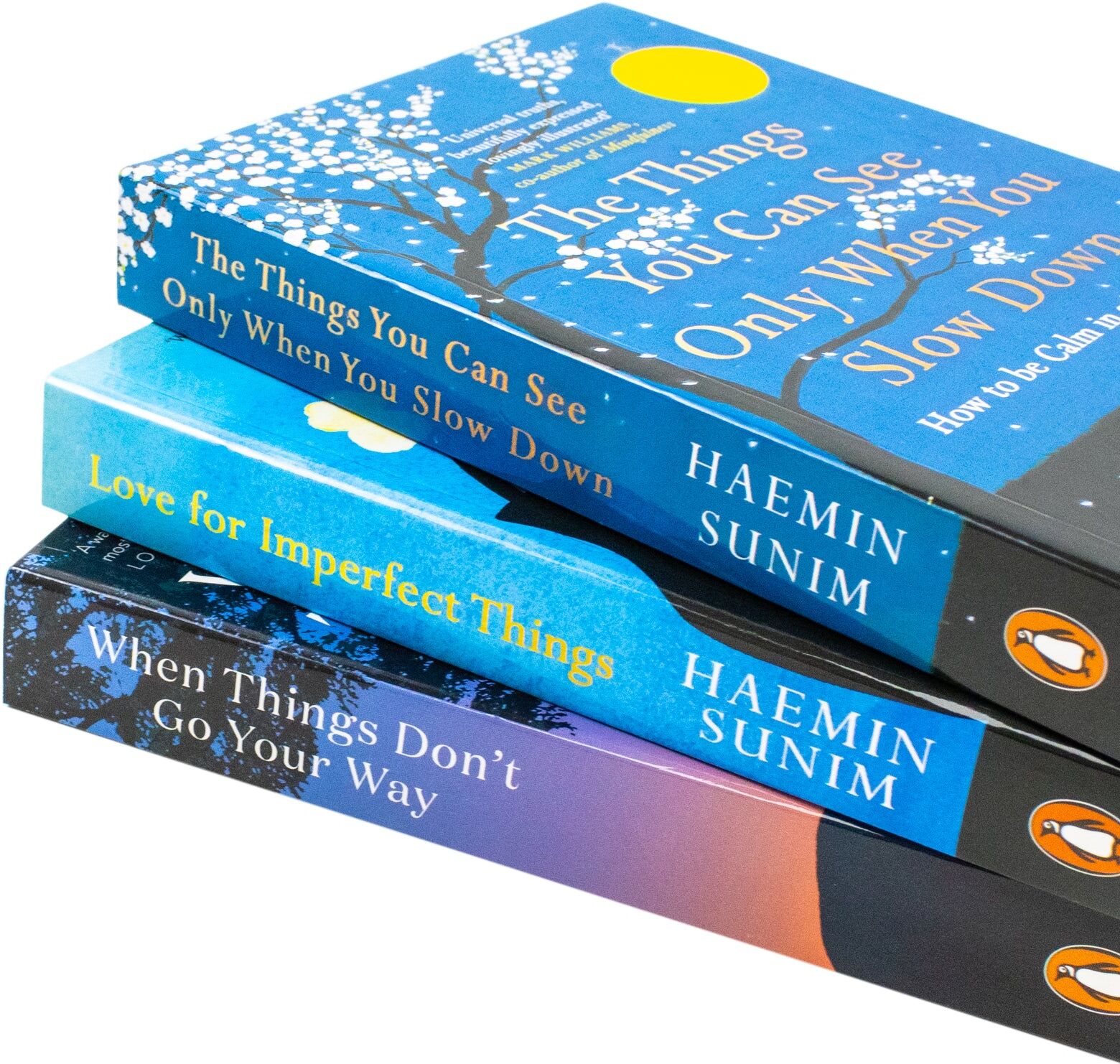
Penguin Haemin Sunim Collection 3 Books Set (The Things You Can See Only When You Slow Down, When Things Don't Go Your Way, Love for Imperfect Things)Haemin Sunim Collection 3 Books Set (The Things You Can See Only When You Slow Down, When Things Don't Go Your Way, Love for Imperfect Things) The Things You Can See Only When You Slow Down In this timely guide to mindfulness, Haemin Sunim, a Buddhist monk born in Korea and educated in the United States, offers advice on everything from handling setbacks to dealing with rest and relationships.Combining his teachings with calming full-colour illustrations, Haemin Sunim's simple messages speak directly to the anxieties that have become part of modern life and remind us of the strength and joy that come from slowing down. When Things Don’t Go Your Way Modern life doesn't always go our way. Loss, rejection, uncertainty and loneliness are unavoidable parts of the human experience -- but there is solace to be found.In When Things Don't Go Your Way, Zen Buddhist teacher Haemin Sunim provides simple but powerful wisdom for navigating life's challenges. Through his trademark combination of beautiful illustrations, insightful stories, and contemplative aphorisms, Sunim helps us reframe our mindsets and develop emotional agility. Love for Imperfect Things No one is perfect. But that doesn't stop us from imagining how much happier we'd be if we were smarter, funnier, richer, or thinner. But what if being yourself is enough?Love for Imperfect Things, by the bestselling Korean monk Haemin Sunim, shows how the path to happiness and peace of mind starts with letting go of worries about ourselves. With chapters on self-compassion, courage, healing, and acceptance.20,99 £*Shipping: 2,99 £Secure redirect to the provider
-
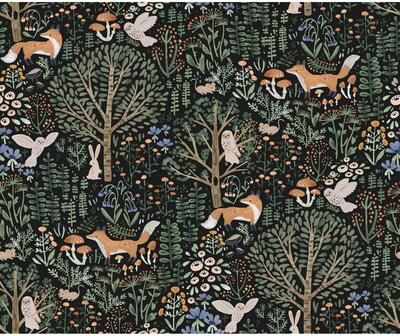
Roommates Clara Jean Folklore ForestInvite beloved folklore whimsy to your space with this scandinavian animal print! Atop a black background, fanciful foxes prance with woodland friends in a mysterious forest! Installing this charming print is as easy as peel, stick, done!47,95 $*Shipping: 0,00 $Secure redirect to the provider
-
Graham & Brown Folklore Tree SageInspired by the Arts and Crafts movement, Folklore Tree is a beautifully painted design, the simplicity of the illustration allows for a playful use of colour. Our colour of the year 2024 Viridis compliments this colourway.200,00 $*Shipping: 0,00 $Secure redirect to the provider
-
Graham & Brown Folklore Tree SkyInspired by the Arts and Crafts movement, Folklore Tree is a beautifully painted design, the simplicity of the illustration allows for a playful use of colour. The Sky colourway features Bali Blue in the background for a really fresh feel.200,00 $*Shipping: 0,00 $Secure redirect to the provider
-
'Imperfect or simple past?'
The choice between using imperfect or simple past tense depends on the context and the specific action being described. The imperfect tense is used to describe ongoing or repeated actions in the past, while the simple past tense is used to describe completed actions in the past. It is important to consider the duration and completion of the action when deciding between imperfect or simple past tense. **
-
'Imperfect or past tense?'
The imperfect tense is used to describe ongoing or repeated actions in the past, while the past tense is used to describe completed actions in the past. The imperfect tense often sets the scene or provides background information in a story, while the past tense moves the narrative forward by detailing specific events. Both tenses are important in storytelling as they help create a sense of time and progression in the narrative. **
-
Why is God imperfect?
The concept of God being imperfect is subjective and varies depending on one's beliefs and interpretations. Some may argue that God is imperfect because of the existence of suffering and evil in the world, which they believe a perfect being would not allow. Others may view imperfections in God as a way to relate to humanity and understand human struggles. Ultimately, the idea of God's imperfection is a complex and deeply philosophical question that has been debated by theologians and scholars for centuries. **
-
Imperfect or passé composé when?
The choice between imperfect and passé composé depends on the context and the specific action being described. The imperfect is used to describe ongoing or repeated actions in the past, while the passé composé is used for completed actions. If the action is a one-time event that happened in the past, the passé composé is more appropriate. However, if the action was ongoing or repeated, the imperfect should be used. **
Similar search terms for Imperfect
-
When is the imperfect tense used?
The imperfect tense is used in Spanish to describe ongoing or repeated actions in the past. It is also used to describe past actions that do not have a specific endpoint or duration. Additionally, the imperfect tense is used to describe past habitual actions or states of being. **
-
When is the Preterite Imperfect used?
The Preterite Imperfect is used to describe past actions that were ongoing or habitual in the past. It is also used to describe background information or set the scene in a story. Additionally, it can be used to express simultaneous actions in the past. **
-
Is nature creation perfect or imperfect?
Nature creation can be seen as both perfect and imperfect. On one hand, the intricate balance and beauty found in nature can be seen as perfect, showcasing the complexity and harmony of the natural world. However, imperfections such as natural disasters, diseases, and extinction of species also exist, highlighting the flaws and vulnerabilities within nature. Ultimately, the concept of perfection or imperfection in nature is subjective and can vary depending on individual perspectives. **
-
Why is the imperfect used there?
The imperfect is used in this sentence to describe a repeated or ongoing action in the past. It indicates that the action of watching TV was habitual or continuous in the past, rather than a one-time event. This tense helps to provide context and background information about the speaker's past behavior. **
* All prices are inclusive of VAT and, if applicable, plus shipping costs. The offer information is based on the details provided by the respective shop and is updated through automated processes. Real-time updates do not occur, so deviations can occur in individual cases. ** Note: Parts of this content were created by AI.