Buy balkaneana.eu ?
We are moving the project
balkaneana.eu .
Are you interested in purchasing the domain
balkaneana.eu ?
domain@kv-gmbh.de · 0541-91531010
Buy balkaneana.eu ?
Why are there introns and exons?
Introns and exons are parts of a gene that play different roles in the process of gene expression. Introns are non-coding regions that are removed from the pre-mRNA during RNA splicing, while exons are coding regions that are retained in the mature mRNA and translated into proteins. The presence of introns allows for alternative splicing, which increases the diversity of proteins that can be produced from a single gene. This can lead to increased complexity and diversity in organisms. **
Why do prokaryotes not have introns?
Prokaryotes do not have introns because they lack the complex cellular machinery required for splicing and processing introns. In eukaryotes, introns are removed from the pre-mRNA through a process called splicing, which involves the spliceosome complex and other proteins. Prokaryotes, on the other hand, have a simpler gene structure and lack the spliceosome machinery, so their genes do not contain introns. This streamlined gene structure allows prokaryotes to efficiently transcribe and translate their genes without the need for intron splicing. **

Similar search terms for Introns
Top-Angebote
Products related to Introns:
-
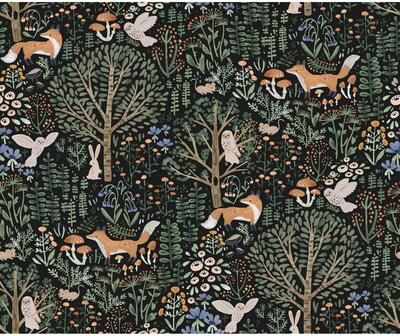
Roommates Clara Jean Folklore ForestInvite beloved folklore whimsy to your space with this scandinavian animal print! Atop a black background, fanciful foxes prance with woodland friends in a mysterious forest! Installing this charming print is as easy as peel, stick, done!49,59 $*Shipping: 0,00 $Secure redirect to the provider
-
Roommates Almond & Vintage Clara Jean Folklore ForestFolklore whimsy featuring sweet fox kits and other forest critters will create a charm like no other in your space! With neutral tones of beige, taupe, and accents of orange and green this print is as soothing as it is magical. Peel, stick, done!48,39 $*Shipping: 0,00 $Secure redirect to the provider
-
Sagebrook Home Pottery Terracotta Vase Artisan Style Traditional Classic SilhouetteAdd rustic flair instantly - Crafted from durable terracotta pottery, this decorative vase brings timeless charm to any bedroom, living room, or entryway display.64,59 $*Shipping: 0,00 $Secure redirect to the provider



-
Can you briefly explain what introns and exons are?
Introns are non-coding segments of DNA found within a gene that are transcribed into mRNA but are later removed during the process of RNA splicing. Exons, on the other hand, are the coding segments of DNA that are expressed in the final mRNA molecule after introns have been removed. Exons contain the information necessary to produce proteins, while introns are involved in regulating gene expression and alternative splicing. **
-
Why are introns selectively neutral, ask the biology experts?
Introns are selectively neutral because they are non-coding regions of DNA that do not contribute to the final protein product. Therefore, mutations in introns do not affect the function or structure of the protein. Additionally, introns are often spliced out during the process of gene expression, so any mutations in introns are unlikely to have an impact on the organism. As a result, introns are considered to be selectively neutral and can accumulate mutations without affecting the fitness of the organism. **
-
Why are introns selectively neutral, ask the bio experts?
Introns are selectively neutral because they are non-coding regions of DNA that do not contribute to the final protein product. Mutations in introns do not affect the functioning or structure of the protein, as they are removed during the process of mRNA splicing. Therefore, introns are free to accumulate mutations without affecting the organism's fitness, making them selectively neutral. This allows for genetic diversity to accumulate in introns without impacting the organism's survival or reproduction. **
-
What are introns and what does the term non-coding section mean?
Introns are non-coding sections of a gene that are found within the DNA sequence. They are initially transcribed into RNA along with the coding sections (exons) but are later removed during the process of RNA splicing. The term non-coding section refers to the fact that these introns do not contain the information for producing a functional protein. Instead, they are involved in regulating gene expression and can also contribute to genetic diversity through alternative splicing. **

What is traditional German music?
Traditional German music includes a wide range of styles and genres that have been passed down through generations. Some of the most well-known traditional German music includes folk music, classical music, and regional styles such as Bavarian and Tyrolean music. Instruments commonly used in traditional German music include the accordion, clarinet, and various types of brass and string instruments. The lyrics often reflect themes of nature, love, and everyday life in Germany. Traditional German music is an important part of the country's cultural heritage and is still celebrated and performed at festivals and events throughout the country. **
What is traditional Mexican music?
Traditional Mexican music encompasses a wide variety of styles and genres that have been passed down through generations. It includes music such as mariachi, ranchera, corrido, and jarabe, each with its own unique instruments, rhythms, and lyrical themes. These musical traditions often reflect the cultural heritage and regional diversity of Mexico, and are an important part of the country's cultural identity. Traditional Mexican music is often characterized by lively rhythms, passionate vocals, and the use of instruments such as the guitar, trumpet, violin, and accordion. **
Top-Angebote
Products related to Introns:
-
Graham & Brown Folklore Tree SageInspired by the Arts and Crafts movement, Folklore Tree is a beautifully painted design, the simplicity of the illustration allows for a playful use of colour. Our colour of the year 2024 Viridis compliments this colourway.200,00 $*Shipping: 0,00 $Secure redirect to the provider
-
Roommates Clara Jean Folklore ForestInvite beloved folklore whimsy to your space with this scandinavian animal print! Atop a black background, fanciful foxes prance with woodland friends in a mysterious forest! Installing this charming print is as easy as peel, stick, done!49,59 $*Shipping: 0,00 $Secure redirect to the provider
-
Roommates Almond & Vintage Clara Jean Folklore ForestFolklore whimsy featuring sweet fox kits and other forest critters will create a charm like no other in your space! With neutral tones of beige, taupe, and accents of orange and green this print is as soothing as it is magical. Peel, stick, done!48,39 $*Shipping: 0,00 $Secure redirect to the provider
-
Why are there introns and exons?
Introns and exons are parts of a gene that play different roles in the process of gene expression. Introns are non-coding regions that are removed from the pre-mRNA during RNA splicing, while exons are coding regions that are retained in the mature mRNA and translated into proteins. The presence of introns allows for alternative splicing, which increases the diversity of proteins that can be produced from a single gene. This can lead to increased complexity and diversity in organisms. **
-
Why do prokaryotes not have introns?
Prokaryotes do not have introns because they lack the complex cellular machinery required for splicing and processing introns. In eukaryotes, introns are removed from the pre-mRNA through a process called splicing, which involves the spliceosome complex and other proteins. Prokaryotes, on the other hand, have a simpler gene structure and lack the spliceosome machinery, so their genes do not contain introns. This streamlined gene structure allows prokaryotes to efficiently transcribe and translate their genes without the need for intron splicing. **
-
Can you briefly explain what introns and exons are?
Introns are non-coding segments of DNA found within a gene that are transcribed into mRNA but are later removed during the process of RNA splicing. Exons, on the other hand, are the coding segments of DNA that are expressed in the final mRNA molecule after introns have been removed. Exons contain the information necessary to produce proteins, while introns are involved in regulating gene expression and alternative splicing. **
-
Why are introns selectively neutral, ask the biology experts?
Introns are selectively neutral because they are non-coding regions of DNA that do not contribute to the final protein product. Therefore, mutations in introns do not affect the function or structure of the protein. Additionally, introns are often spliced out during the process of gene expression, so any mutations in introns are unlikely to have an impact on the organism. As a result, introns are considered to be selectively neutral and can accumulate mutations without affecting the fitness of the organism. **
Similar search terms for Introns
-
Sagebrook Home Pottery Terracotta Vase Artisan Style Traditional Classic SilhouetteAdd rustic flair instantly - Crafted from durable terracotta pottery, this decorative vase brings timeless charm to any bedroom, living room, or entryway display.64,59 $*Shipping: 0,00 $Secure redirect to the provider
-
RoomMates White & Grey Folklore Trees Peel and Stick WallpaperFilled with cozy, hygge style, Grey Folklore Trees Peel and Stick Wallpaper is sure to catch the eye of everyone who enters your home. This whimsical pattern creates a space for the mind to wander.39,49 $*Shipping: 0,00 $Secure redirect to the provider
-
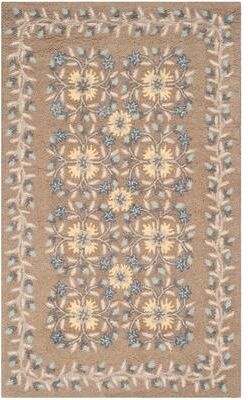
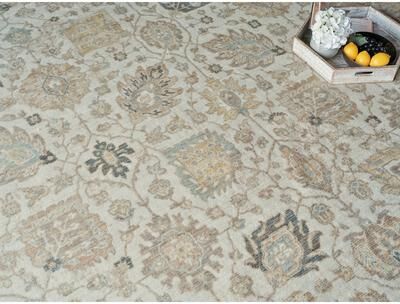
Exquisite Rugs Artisan Handmade Wool/Nylon in Ivory Area RugThis collection seamlessly blends traditional influences with contemporary design elements. Hand-finished with meticulous care, each rug features a low profile and a smooth, plush pile crafted from a premium wool blend.1599,00 $*Shipping: 0,00 $Secure redirect to the provider
-
Why are introns selectively neutral, ask the bio experts?
Introns are selectively neutral because they are non-coding regions of DNA that do not contribute to the final protein product. Mutations in introns do not affect the functioning or structure of the protein, as they are removed during the process of mRNA splicing. Therefore, introns are free to accumulate mutations without affecting the organism's fitness, making them selectively neutral. This allows for genetic diversity to accumulate in introns without impacting the organism's survival or reproduction. **
-
What are introns and what does the term non-coding section mean?
Introns are non-coding sections of a gene that are found within the DNA sequence. They are initially transcribed into RNA along with the coding sections (exons) but are later removed during the process of RNA splicing. The term non-coding section refers to the fact that these introns do not contain the information for producing a functional protein. Instead, they are involved in regulating gene expression and can also contribute to genetic diversity through alternative splicing. **
-
What is traditional German music?
Traditional German music includes a wide range of styles and genres that have been passed down through generations. Some of the most well-known traditional German music includes folk music, classical music, and regional styles such as Bavarian and Tyrolean music. Instruments commonly used in traditional German music include the accordion, clarinet, and various types of brass and string instruments. The lyrics often reflect themes of nature, love, and everyday life in Germany. Traditional German music is an important part of the country's cultural heritage and is still celebrated and performed at festivals and events throughout the country. **
-
What is traditional Mexican music?
Traditional Mexican music encompasses a wide variety of styles and genres that have been passed down through generations. It includes music such as mariachi, ranchera, corrido, and jarabe, each with its own unique instruments, rhythms, and lyrical themes. These musical traditions often reflect the cultural heritage and regional diversity of Mexico, and are an important part of the country's cultural identity. Traditional Mexican music is often characterized by lively rhythms, passionate vocals, and the use of instruments such as the guitar, trumpet, violin, and accordion. **
* All prices are inclusive of VAT and, if applicable, plus shipping costs. The offer information is based on the details provided by the respective shop and is updated through automated processes. Real-time updates do not occur, so deviations can occur in individual cases. ** Note: Parts of this content were created by AI.