Buy balkaneana.eu ?
We are moving the project
balkaneana.eu .
Are you interested in purchasing the domain
balkaneana.eu ?
domain@kv-gmbh.de · 0541-91531010
Buy balkaneana.eu ?
What is the opposite of personification, so objectification?
The opposite of personification is dehumanization. While personification involves giving human characteristics to non-human things, dehumanization involves treating people as if they are objects or animals, stripping them of their humanity. Objectification, on the other hand, involves treating someone as an object for one's own use or pleasure, often reducing them to their physical appearance or sexual appeal. Both dehumanization and objectification involve diminishing the value and agency of individuals, but in different ways. **
How can one accurately represent the terms sexualization and objectification grammatically?
To accurately represent the terms sexualization and objectification grammatically, one should use them as nouns in a sentence. For example, "The sexualization of women in media perpetuates harmful stereotypes" or "The objectification of individuals based on their appearance is a form of discrimination." It is important to use these terms in a way that highlights their negative impact on individuals and society. **

Similar search terms for Objectification
Top-Angebote
Products related to Objectification:
-
Graham & Brown Folklore Tree SageInspired by the Arts and Crafts movement, Folklore Tree is a beautifully painted design, the simplicity of the illustration allows for a playful use of colour. Our colour of the year 2024 Viridis compliments this colourway.200,00 $*Shipping: 0,00 $Secure redirect to the provider
-
Graham & Brown Folklore Tree SkyInspired by the Arts and Crafts movement, Folklore Tree is a beautifully painted design, the simplicity of the illustration allows for a playful use of colour. The Sky colourway features Bali Blue in the background for a really fresh feel.200,00 $*Shipping: 0,00 $Secure redirect to the provider
-
Roommates Almond & Vintage Clara Jean Folklore ForestFolklore whimsy featuring sweet fox kits and other forest critters will create a charm like no other in your space! With neutral tones of beige, taupe, and accents of orange and green this print is as soothing as it is magical. Peel, stick, done!48,39 $*Shipping: 0,00 $Secure redirect to the provider


-
How can one grammatically correctly represent the terms sexualization and objectification?
One can grammatically correctly represent the terms sexualization and objectification by using them as nouns in a sentence. For example, "The constant sexualization of women in the media perpetuates harmful stereotypes." or "The objectification of individuals based on their physical appearance is a form of dehumanization." It is important to ensure that these terms are used in context and with clarity to convey their intended meaning accurately. **
-
Is assigning a name to an object also an objectification of it?
Assigning a name to an object can be seen as a form of objectification because it reduces the complexity and individuality of the object to a single label. By giving an object a name, we may overlook its unique characteristics and treat it as a mere thing with a designated function. However, naming can also be a way to establish a connection or relationship with the object, acknowledging its presence and importance in our lives. Ultimately, whether naming an object is considered objectification depends on the context and intention behind the act. **
-
Is the designation of an object with an attributed name also an objectification of the same?
Designating an object with an attributed name does not necessarily equate to objectification. Objectification occurs when a person or group is treated as an object, without regard for their individuality or humanity. However, assigning a name to an object can be a way of acknowledging its existence and distinguishing it from other objects, without necessarily dehumanizing or devaluing it. It is important to consider the context and intent behind the attribution of a name to an object in order to determine whether it constitutes objectification. **
-
What is traditional German music?
Traditional German music includes a wide range of styles and genres that have been passed down through generations. Some of the most well-known traditional German music includes folk music, classical music, and regional styles such as Bavarian and Tyrolean music. Instruments commonly used in traditional German music include the accordion, clarinet, and various types of brass and string instruments. The lyrics often reflect themes of nature, love, and everyday life in Germany. Traditional German music is an important part of the country's cultural heritage and is still celebrated and performed at festivals and events throughout the country. **


What is traditional Mexican music?
Traditional Mexican music encompasses a wide variety of styles and genres that have been passed down through generations. It includes music such as mariachi, ranchera, corrido, and jarabe, each with its own unique instruments, rhythms, and lyrical themes. These musical traditions often reflect the cultural heritage and regional diversity of Mexico, and are an important part of the country's cultural identity. Traditional Mexican music is often characterized by lively rhythms, passionate vocals, and the use of instruments such as the guitar, trumpet, violin, and accordion. **
What is Russian traditional music?
Russian traditional music encompasses a wide range of styles and genres that have been passed down through generations. It includes folk songs, dances, and instrumental music that reflect the diverse cultural heritage of Russia. Traditional Russian music often features instruments such as the balalaika, accordion, and various types of flutes and percussion. The melodies and rhythms of Russian traditional music are often lively and energetic, reflecting the rich history and traditions of the Russian people. **
Top-Angebote
Products related to Objectification:
-
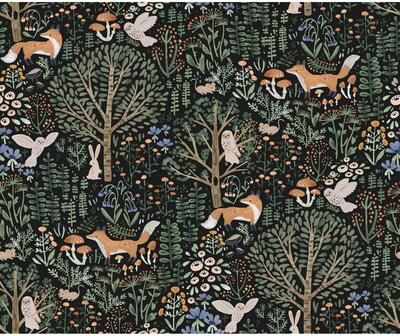
Roommates Clara Jean Folklore ForestInvite beloved folklore whimsy to your space with this scandinavian animal print! Atop a black background, fanciful foxes prance with woodland friends in a mysterious forest! Installing this charming print is as easy as peel, stick, done!49,59 $*Shipping: 0,00 $Secure redirect to the provider
-
Graham & Brown Folklore Tree SageInspired by the Arts and Crafts movement, Folklore Tree is a beautifully painted design, the simplicity of the illustration allows for a playful use of colour. Our colour of the year 2024 Viridis compliments this colourway.200,00 $*Shipping: 0,00 $Secure redirect to the provider
-
Graham & Brown Folklore Tree SkyInspired by the Arts and Crafts movement, Folklore Tree is a beautifully painted design, the simplicity of the illustration allows for a playful use of colour. The Sky colourway features Bali Blue in the background for a really fresh feel.200,00 $*Shipping: 0,00 $Secure redirect to the provider
-
What is the opposite of personification, so objectification?
The opposite of personification is dehumanization. While personification involves giving human characteristics to non-human things, dehumanization involves treating people as if they are objects or animals, stripping them of their humanity. Objectification, on the other hand, involves treating someone as an object for one's own use or pleasure, often reducing them to their physical appearance or sexual appeal. Both dehumanization and objectification involve diminishing the value and agency of individuals, but in different ways. **
-
How can one accurately represent the terms sexualization and objectification grammatically?
To accurately represent the terms sexualization and objectification grammatically, one should use them as nouns in a sentence. For example, "The sexualization of women in media perpetuates harmful stereotypes" or "The objectification of individuals based on their appearance is a form of discrimination." It is important to use these terms in a way that highlights their negative impact on individuals and society. **
-
How can one grammatically correctly represent the terms sexualization and objectification?
One can grammatically correctly represent the terms sexualization and objectification by using them as nouns in a sentence. For example, "The constant sexualization of women in the media perpetuates harmful stereotypes." or "The objectification of individuals based on their physical appearance is a form of dehumanization." It is important to ensure that these terms are used in context and with clarity to convey their intended meaning accurately. **
-
Is assigning a name to an object also an objectification of it?
Assigning a name to an object can be seen as a form of objectification because it reduces the complexity and individuality of the object to a single label. By giving an object a name, we may overlook its unique characteristics and treat it as a mere thing with a designated function. However, naming can also be a way to establish a connection or relationship with the object, acknowledging its presence and importance in our lives. Ultimately, whether naming an object is considered objectification depends on the context and intention behind the act. **
Similar search terms for Objectification
-
Roommates Almond & Vintage Clara Jean Folklore ForestFolklore whimsy featuring sweet fox kits and other forest critters will create a charm like no other in your space! With neutral tones of beige, taupe, and accents of orange and green this print is as soothing as it is magical. Peel, stick, done!48,39 $*Shipping: 0,00 $Secure redirect to the provider
-
Sagebrook Home Pottery Terracotta Vase Artisan Style Traditional Classic SilhouetteAdd rustic flair instantly - Crafted from durable terracotta pottery, this decorative vase brings timeless charm to any bedroom, living room, or entryway display.61,19 $*Shipping: 0,00 $Secure redirect to the provider
-
Is the designation of an object with an attributed name also an objectification of the same?
Designating an object with an attributed name does not necessarily equate to objectification. Objectification occurs when a person or group is treated as an object, without regard for their individuality or humanity. However, assigning a name to an object can be a way of acknowledging its existence and distinguishing it from other objects, without necessarily dehumanizing or devaluing it. It is important to consider the context and intent behind the attribution of a name to an object in order to determine whether it constitutes objectification. **
-
What is traditional German music?
Traditional German music includes a wide range of styles and genres that have been passed down through generations. Some of the most well-known traditional German music includes folk music, classical music, and regional styles such as Bavarian and Tyrolean music. Instruments commonly used in traditional German music include the accordion, clarinet, and various types of brass and string instruments. The lyrics often reflect themes of nature, love, and everyday life in Germany. Traditional German music is an important part of the country's cultural heritage and is still celebrated and performed at festivals and events throughout the country. **
-
What is traditional Mexican music?
Traditional Mexican music encompasses a wide variety of styles and genres that have been passed down through generations. It includes music such as mariachi, ranchera, corrido, and jarabe, each with its own unique instruments, rhythms, and lyrical themes. These musical traditions often reflect the cultural heritage and regional diversity of Mexico, and are an important part of the country's cultural identity. Traditional Mexican music is often characterized by lively rhythms, passionate vocals, and the use of instruments such as the guitar, trumpet, violin, and accordion. **
-
What is Russian traditional music?
Russian traditional music encompasses a wide range of styles and genres that have been passed down through generations. It includes folk songs, dances, and instrumental music that reflect the diverse cultural heritage of Russia. Traditional Russian music often features instruments such as the balalaika, accordion, and various types of flutes and percussion. The melodies and rhythms of Russian traditional music are often lively and energetic, reflecting the rich history and traditions of the Russian people. **
* All prices are inclusive of VAT and, if applicable, plus shipping costs. The offer information is based on the details provided by the respective shop and is updated through automated processes. Real-time updates do not occur, so deviations can occur in individual cases. ** Note: Parts of this content were created by AI.