Buy balkaneana.eu ?
We are moving the project
balkaneana.eu .
Are you interested in purchasing the domain
balkaneana.eu ?
domain@kv-gmbh.de · 0541-91531010
Buy balkaneana.eu ?
Do some perpetrators unintentionally betray themselves?
Yes, some perpetrators unintentionally betray themselves through their behavior, body language, or inconsistencies in their stories. Even when they try to hide their guilt, their subconscious may reveal their true feelings or intentions. For example, they may display signs of nervousness, avoidance, or defensiveness when questioned about their involvement in a crime. These unintentional betrayals can be important clues for investigators and can ultimately lead to the perpetrator's identification and conviction. **
Are there female perpetrators in Criminal Minds?
Yes, there are female perpetrators in Criminal Minds. Throughout the series, there have been several episodes featuring female criminals who commit heinous crimes. These characters are portrayed as complex and multi-dimensional, showcasing that women can also be capable of committing violent acts. The show does not shy away from depicting female perpetrators and exploring the various motivations behind their actions. **


Similar search terms for Perpetrators
Top-Angebote
Products related to Perpetrators:
-
Roommates Clara Jean Folklore ForestInvite beloved folklore whimsy to your space with this scandinavian animal print! Atop a black background, fanciful foxes prance with woodland friends in a mysterious forest! Installing this charming print is as easy as peel, stick, done!49,59 $*Shipping: 0,00 $Secure redirect to the provider
-
Roommates Almond & Vintage Clara Jean Folklore ForestFolklore whimsy featuring sweet fox kits and other forest critters will create a charm like no other in your space! With neutral tones of beige, taupe, and accents of orange and green this print is as soothing as it is magical. Peel, stick, done!48,39 $*Shipping: 0,00 $Secure redirect to the provider
-
Sagebrook Home Pottery Terracotta Vase Artisan Style Traditional Classic SilhouetteAdd rustic flair instantly - Crafted from durable terracotta pottery, this decorative vase brings timeless charm to any bedroom, living room, or entryway display.64,59 $*Shipping: 0,00 $Secure redirect to the provider




-
How to deal with perpetrators without remorse?
Dealing with perpetrators without remorse can be challenging, but it's important to prioritize safety and justice. It's crucial to hold them accountable for their actions through legal and disciplinary measures. Additionally, providing support and resources for the victims is essential to help them heal and move forward. It's also important to address the root causes of the perpetrator's behavior and work towards preventing future harm through education, intervention, and rehabilitation programs. **
-
Why do perpetrators often attack weaker individuals?
Perpetrators often target weaker individuals because they perceive them as easier targets who are less likely to fight back or defend themselves. This can give the perpetrator a sense of power and control over the situation. Additionally, weaker individuals may be less likely to report the attack or seek help, allowing the perpetrator to avoid consequences for their actions. This behavior is often driven by a desire to assert dominance and exert power over others. **
-
Why are perpetrators obsessed with their victims?
Perpetrators may become obsessed with their victims due to a variety of reasons, including a desire for control and power, feelings of rejection or abandonment, or a need to exert dominance over the victim. Obsession can also stem from underlying psychological issues such as narcissism, sociopathy, or a lack of empathy. Additionally, perpetrators may become fixated on their victims as a way to fulfill their own emotional or psychological needs, using the victim as a source of validation or self-worth. Ultimately, the obsession is a manifestation of the perpetrator's own internal struggles and insecurities. **
-
Why do such perpetrators choose the same victims?
Perpetrators may choose the same victims because they perceive them as vulnerable or easy targets. They may also have a sense of power and control over these victims, which reinforces their behavior. Additionally, perpetrators may have a history of abuse or trauma themselves, leading them to repeat harmful patterns with the same victims. Lastly, familiarity with the victim may make it easier for the perpetrator to manipulate and exploit them. **

Why do the perpetrators always shout Allahu Akbar?
Perpetrators may shout "Allahu Akbar" for a variety of reasons, including to justify their actions in the name of their religion, to instill fear and terror in their victims, or to signal their allegiance to a particular extremist ideology. It is important to note that the vast majority of Muslims do not condone or support such actions, and the phrase "Allahu Akbar" itself simply means "God is great" and is commonly used in Islamic prayers and everyday life. The misuse of this phrase by perpetrators should not be seen as representative of the beliefs and actions of the broader Muslim community. **
Why do so many victims protect their perpetrators?
Many victims protect their perpetrators due to fear, shame, and a sense of powerlessness. They may fear retaliation or further harm if they speak out against their abuser. Additionally, victims may feel ashamed or guilty about the abuse and may protect their perpetrator in an attempt to minimize the trauma. In some cases, victims may also have a sense of loyalty or attachment to their abuser, especially if the perpetrator is a family member or someone they trusted. Overall, the complex dynamics of abuse can lead victims to protect their perpetrators as a way of coping with the trauma. **
Top-Angebote
Products related to Perpetrators:
-
Graham & Brown Folklore Tree SageInspired by the Arts and Crafts movement, Folklore Tree is a beautifully painted design, the simplicity of the illustration allows for a playful use of colour. Our colour of the year 2024 Viridis compliments this colourway.200,00 $*Shipping: 0,00 $Secure redirect to the provider
-
Roommates Clara Jean Folklore ForestInvite beloved folklore whimsy to your space with this scandinavian animal print! Atop a black background, fanciful foxes prance with woodland friends in a mysterious forest! Installing this charming print is as easy as peel, stick, done!49,59 $*Shipping: 0,00 $Secure redirect to the provider
-
Roommates Almond & Vintage Clara Jean Folklore ForestFolklore whimsy featuring sweet fox kits and other forest critters will create a charm like no other in your space! With neutral tones of beige, taupe, and accents of orange and green this print is as soothing as it is magical. Peel, stick, done!48,39 $*Shipping: 0,00 $Secure redirect to the provider
-
Do some perpetrators unintentionally betray themselves?
Yes, some perpetrators unintentionally betray themselves through their behavior, body language, or inconsistencies in their stories. Even when they try to hide their guilt, their subconscious may reveal their true feelings or intentions. For example, they may display signs of nervousness, avoidance, or defensiveness when questioned about their involvement in a crime. These unintentional betrayals can be important clues for investigators and can ultimately lead to the perpetrator's identification and conviction. **
-
Are there female perpetrators in Criminal Minds?
Yes, there are female perpetrators in Criminal Minds. Throughout the series, there have been several episodes featuring female criminals who commit heinous crimes. These characters are portrayed as complex and multi-dimensional, showcasing that women can also be capable of committing violent acts. The show does not shy away from depicting female perpetrators and exploring the various motivations behind their actions. **
-
How to deal with perpetrators without remorse?
Dealing with perpetrators without remorse can be challenging, but it's important to prioritize safety and justice. It's crucial to hold them accountable for their actions through legal and disciplinary measures. Additionally, providing support and resources for the victims is essential to help them heal and move forward. It's also important to address the root causes of the perpetrator's behavior and work towards preventing future harm through education, intervention, and rehabilitation programs. **
-
Why do perpetrators often attack weaker individuals?
Perpetrators often target weaker individuals because they perceive them as easier targets who are less likely to fight back or defend themselves. This can give the perpetrator a sense of power and control over the situation. Additionally, weaker individuals may be less likely to report the attack or seek help, allowing the perpetrator to avoid consequences for their actions. This behavior is often driven by a desire to assert dominance and exert power over others. **
Similar search terms for Perpetrators
-
Sagebrook Home Pottery Terracotta Vase Artisan Style Traditional Classic SilhouetteAdd rustic flair instantly - Crafted from durable terracotta pottery, this decorative vase brings timeless charm to any bedroom, living room, or entryway display.64,59 $*Shipping: 0,00 $Secure redirect to the provider
-
RoomMates White & Grey Folklore Trees Peel and Stick WallpaperFilled with cozy, hygge style, Grey Folklore Trees Peel and Stick Wallpaper is sure to catch the eye of everyone who enters your home. This whimsical pattern creates a space for the mind to wander.39,49 $*Shipping: 0,00 $Secure redirect to the provider
-
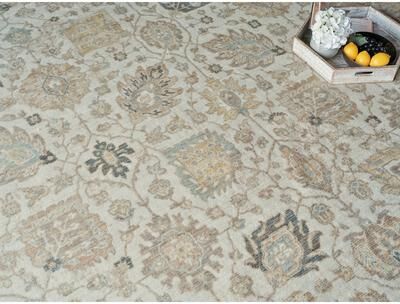
Exquisite Rugs Artisan Handmade Wool/Nylon in Ivory Area RugThis collection seamlessly blends traditional influences with contemporary design elements. Hand-finished with meticulous care, each rug features a low profile and a smooth, plush pile crafted from a premium wool blend.1599,00 $*Shipping: 0,00 $Secure redirect to the provider
-
Why are perpetrators obsessed with their victims?
Perpetrators may become obsessed with their victims due to a variety of reasons, including a desire for control and power, feelings of rejection or abandonment, or a need to exert dominance over the victim. Obsession can also stem from underlying psychological issues such as narcissism, sociopathy, or a lack of empathy. Additionally, perpetrators may become fixated on their victims as a way to fulfill their own emotional or psychological needs, using the victim as a source of validation or self-worth. Ultimately, the obsession is a manifestation of the perpetrator's own internal struggles and insecurities. **
-
Why do such perpetrators choose the same victims?
Perpetrators may choose the same victims because they perceive them as vulnerable or easy targets. They may also have a sense of power and control over these victims, which reinforces their behavior. Additionally, perpetrators may have a history of abuse or trauma themselves, leading them to repeat harmful patterns with the same victims. Lastly, familiarity with the victim may make it easier for the perpetrator to manipulate and exploit them. **
-
Why do the perpetrators always shout Allahu Akbar?
Perpetrators may shout "Allahu Akbar" for a variety of reasons, including to justify their actions in the name of their religion, to instill fear and terror in their victims, or to signal their allegiance to a particular extremist ideology. It is important to note that the vast majority of Muslims do not condone or support such actions, and the phrase "Allahu Akbar" itself simply means "God is great" and is commonly used in Islamic prayers and everyday life. The misuse of this phrase by perpetrators should not be seen as representative of the beliefs and actions of the broader Muslim community. **
-
Why do so many victims protect their perpetrators?
Many victims protect their perpetrators due to fear, shame, and a sense of powerlessness. They may fear retaliation or further harm if they speak out against their abuser. Additionally, victims may feel ashamed or guilty about the abuse and may protect their perpetrator in an attempt to minimize the trauma. In some cases, victims may also have a sense of loyalty or attachment to their abuser, especially if the perpetrator is a family member or someone they trusted. Overall, the complex dynamics of abuse can lead victims to protect their perpetrators as a way of coping with the trauma. **
* All prices are inclusive of VAT and, if applicable, plus shipping costs. The offer information is based on the details provided by the respective shop and is updated through automated processes. Real-time updates do not occur, so deviations can occur in individual cases. ** Note: Parts of this content were created by AI.