Buy balkaneana.eu ?
We are moving the project
balkaneana.eu .
Are you interested in purchasing the domain
balkaneana.eu ?
domain@kv-gmbh.de · 0541-91531010
Buy balkaneana.eu ?
Are wages liabilities?
Yes, wages are considered liabilities for a company because they represent an obligation to pay employees for their work. From an accounting perspective, wages are typically recorded as a liability on the company's balance sheet until they are paid to the employees. This reflects the company's obligation to fulfill its financial commitments to its employees. Therefore, wages are classified as a liability until they are settled. **
What is gross wages?
Gross wages refer to the total amount of money earned by an employee before any deductions are taken out, such as taxes, insurance, or retirement contributions. It represents the full compensation for the work performed by the employee. Gross wages are often used as the starting point for calculating net wages, which is the amount an employee receives after deductions. **

Similar search terms for Wages
Top-Angebote
Products related to Wages:
-
Graham & Brown Folklore Tree SageInspired by the Arts and Crafts movement, Folklore Tree is a beautifully painted design, the simplicity of the illustration allows for a playful use of colour. Our colour of the year 2024 Viridis compliments this colourway.200,00 $*Shipping: 0,00 $Secure redirect to the provider
-
Roommates Almond & Vintage Clara Jean Folklore ForestFolklore whimsy featuring sweet fox kits and other forest critters will create a charm like no other in your space! With neutral tones of beige, taupe, and accents of orange and green this print is as soothing as it is magical. Peel, stick, done!48,39 $*Shipping: 0,00 $Secure redirect to the provider
-
Sagebrook Home Pottery Terracotta Vase Artisan Style Traditional Classic SilhouetteAdd rustic flair instantly - Crafted from durable terracotta pottery, this decorative vase brings timeless charm to any bedroom, living room, or entryway display.64,59 $*Shipping: 0,00 $Secure redirect to the provider



-
What are sheer wages?
Sheer wages refer to the base salary or hourly rate that an employee earns before any deductions or bonuses are added. It is the raw amount of money that an employee receives for their work, without factoring in any additional compensation or benefits. Sheer wages are often used as a starting point for calculating total earnings and can vary depending on factors such as job role, experience, and industry standards. **
-
How to calculate prorated wages?
To calculate prorated wages, you first need to determine the total wages for the full pay period. Next, you divide the total wages by the number of days in the pay period to get the daily wage rate. Then, multiply the daily wage rate by the number of days an employee worked during the pay period to get their prorated wages. This calculation is commonly used when an employee starts or leaves a job mid-pay period. **
-
Why are wages so low?
Wages can be low for a variety of reasons, including an oversupply of labor in the market, lack of skills or education among workers, high levels of competition among businesses, and the presence of a large number of low-wage industries. Additionally, factors such as globalization, automation, and outsourcing can also contribute to keeping wages low. Ultimately, the interplay of these various factors can result in stagnant or low wages for many workers. **
-
Are wages growing too slowly?
Wages have been growing slowly in recent years, which has led to concerns about the impact on workers' standard of living. Many economists argue that wages are not keeping up with the rising cost of living, particularly in areas such as housing and healthcare. This slow wage growth can also contribute to income inequality and hinder overall economic growth, as workers have less disposable income to spend. Therefore, there is a valid concern that wages are growing too slowly and that this trend needs to be addressed to ensure a more equitable and prosperous economy. **


Why are wages not growing?
Wages are not growing for several reasons. One reason is the slow overall economic growth, which limits the ability of companies to increase wages. Additionally, the increasing use of technology and automation has reduced the demand for certain types of labor, putting downward pressure on wages. Globalization has also played a role, as companies can outsource labor to lower-cost countries. Finally, the decline in union membership and collective bargaining power has weakened workers' ability to negotiate for higher wages. These factors combined have contributed to the stagnation of wages in many industries. **
Why are wages not relieved?
Wages are not relieved because they are a crucial source of income for individuals and families. Relieving wages would result in financial instability for workers and their dependents, making it difficult for them to meet their basic needs. Additionally, wages are a key component of the economy, and relieving them could disrupt the overall functioning of businesses and industries. Instead, efforts are made to ensure fair wages and provide support to those who may be struggling financially. **
Top-Angebote
Products related to Wages:
-
Graham & Brown Folklore Tree SkyInspired by the Arts and Crafts movement, Folklore Tree is a beautifully painted design, the simplicity of the illustration allows for a playful use of colour. The Sky colourway features Bali Blue in the background for a really fresh feel.200,00 $*Shipping: 0,00 $Secure redirect to the provider
-
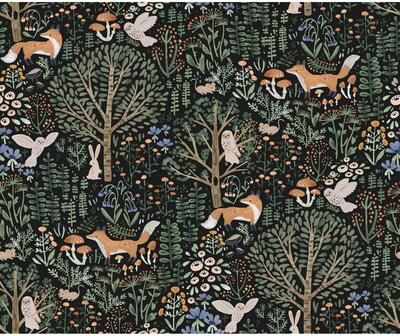
Roommates Clara Jean Folklore ForestInvite beloved folklore whimsy to your space with this scandinavian animal print! Atop a black background, fanciful foxes prance with woodland friends in a mysterious forest! Installing this charming print is as easy as peel, stick, done!49,59 $*Shipping: 0,00 $Secure redirect to the provider
-
Graham & Brown Folklore Tree SageInspired by the Arts and Crafts movement, Folklore Tree is a beautifully painted design, the simplicity of the illustration allows for a playful use of colour. Our colour of the year 2024 Viridis compliments this colourway.200,00 $*Shipping: 0,00 $Secure redirect to the provider
-
Roommates Almond & Vintage Clara Jean Folklore ForestFolklore whimsy featuring sweet fox kits and other forest critters will create a charm like no other in your space! With neutral tones of beige, taupe, and accents of orange and green this print is as soothing as it is magical. Peel, stick, done!48,39 $*Shipping: 0,00 $Secure redirect to the provider
-
Are wages liabilities?
Yes, wages are considered liabilities for a company because they represent an obligation to pay employees for their work. From an accounting perspective, wages are typically recorded as a liability on the company's balance sheet until they are paid to the employees. This reflects the company's obligation to fulfill its financial commitments to its employees. Therefore, wages are classified as a liability until they are settled. **
-
What is gross wages?
Gross wages refer to the total amount of money earned by an employee before any deductions are taken out, such as taxes, insurance, or retirement contributions. It represents the full compensation for the work performed by the employee. Gross wages are often used as the starting point for calculating net wages, which is the amount an employee receives after deductions. **
-
What are sheer wages?
Sheer wages refer to the base salary or hourly rate that an employee earns before any deductions or bonuses are added. It is the raw amount of money that an employee receives for their work, without factoring in any additional compensation or benefits. Sheer wages are often used as a starting point for calculating total earnings and can vary depending on factors such as job role, experience, and industry standards. **
-
How to calculate prorated wages?
To calculate prorated wages, you first need to determine the total wages for the full pay period. Next, you divide the total wages by the number of days in the pay period to get the daily wage rate. Then, multiply the daily wage rate by the number of days an employee worked during the pay period to get their prorated wages. This calculation is commonly used when an employee starts or leaves a job mid-pay period. **
Similar search terms for Wages
-
Sagebrook Home Pottery Terracotta Vase Artisan Style Traditional Classic SilhouetteAdd rustic flair instantly - Crafted from durable terracotta pottery, this decorative vase brings timeless charm to any bedroom, living room, or entryway display.64,59 $*Shipping: 0,00 $Secure redirect to the provider
-
Why are wages so low?
Wages can be low for a variety of reasons, including an oversupply of labor in the market, lack of skills or education among workers, high levels of competition among businesses, and the presence of a large number of low-wage industries. Additionally, factors such as globalization, automation, and outsourcing can also contribute to keeping wages low. Ultimately, the interplay of these various factors can result in stagnant or low wages for many workers. **
-
Are wages growing too slowly?
Wages have been growing slowly in recent years, which has led to concerns about the impact on workers' standard of living. Many economists argue that wages are not keeping up with the rising cost of living, particularly in areas such as housing and healthcare. This slow wage growth can also contribute to income inequality and hinder overall economic growth, as workers have less disposable income to spend. Therefore, there is a valid concern that wages are growing too slowly and that this trend needs to be addressed to ensure a more equitable and prosperous economy. **
-
Why are wages not growing?
Wages are not growing for several reasons. One reason is the slow overall economic growth, which limits the ability of companies to increase wages. Additionally, the increasing use of technology and automation has reduced the demand for certain types of labor, putting downward pressure on wages. Globalization has also played a role, as companies can outsource labor to lower-cost countries. Finally, the decline in union membership and collective bargaining power has weakened workers' ability to negotiate for higher wages. These factors combined have contributed to the stagnation of wages in many industries. **
-
Why are wages not relieved?
Wages are not relieved because they are a crucial source of income for individuals and families. Relieving wages would result in financial instability for workers and their dependents, making it difficult for them to meet their basic needs. Additionally, wages are a key component of the economy, and relieving them could disrupt the overall functioning of businesses and industries. Instead, efforts are made to ensure fair wages and provide support to those who may be struggling financially. **
* All prices are inclusive of VAT and, if applicable, plus shipping costs. The offer information is based on the details provided by the respective shop and is updated through automated processes. Real-time updates do not occur, so deviations can occur in individual cases. ** Note: Parts of this content were created by AI.