Buy balkaneana.eu ?
We are moving the project
balkaneana.eu .
Are you interested in purchasing the domain
balkaneana.eu ?
domain@kv-gmbh.de · 0541-91531010
Buy balkaneana.eu ?
What is the difference between Homo afarensis and Australopithecus?
Homo afarensis and Australopithecus are both hominins that lived in East Africa around 3-4 million years ago. The main difference between the two is that Homo afarensis is considered to be more closely related to the genus Homo, which includes modern humans, while Australopithecus is considered to be a more distant ancestor. Additionally, Homo afarensis is believed to have had a more upright posture and walked bipedally more efficiently than Australopithecus. Lastly, Homo afarensis had a slightly larger brain size compared to Australopithecus. **
What is the difference between Australopithecus afarensis and Africanus?
Australopithecus afarensis and Africanus are both species of early hominins that lived in Africa around 3-4 million years ago. The main difference between the two species is their physical characteristics. Australopithecus afarensis, famously represented by the fossil "Lucy," had a more ape-like appearance with a smaller brain and longer arms, while Africanus had a more human-like appearance with a larger brain and shorter arms. Additionally, Africanus is believed to have had a more varied diet, including meat, while afarensis is thought to have primarily been a vegetarian. **

Similar search terms for Australopithecus
Top-Angebote
Products related to Australopithecus:
-
Graham & Brown Folklore Tree SkyInspired by the Arts and Crafts movement, Folklore Tree is a beautifully painted design, the simplicity of the illustration allows for a playful use of colour. The Sky colourway features Bali Blue in the background for a really fresh feel.200,00 $*Shipping: 0,00 $Secure redirect to the provider


-
Does Australopithecus belong to its own genus or does it belong to the genus Homo?
Australopithecus belongs to its own genus separate from the genus Homo. Australopithecus is a genus of early hominins that lived in Africa around 4 to 2 million years ago, while the genus Homo includes modern humans and their close relatives. The distinction between Australopithecus and Homo is based on differences in physical characteristics, behavior, and evolutionary history. **
-
Why did researchers initially have doubts about assigning Lucy (Australopithecus afarensis) to the category of great apes?
Researchers initially had doubts about assigning Lucy to the category of great apes because of her bipedalism, which was a key characteristic of early human ancestors. Great apes, such as chimpanzees and gorillas, are primarily quadrupedal, meaning they walk on all fours. Lucy's skeletal structure, particularly her pelvis and knee joints, indicated that she walked upright on two legs, suggesting a closer relationship to humans rather than great apes. Additionally, her brain size and dental features were more similar to early humans than to great apes, further supporting her classification as a hominin rather than a great ape. **
-
Why can the discovery of Lucy, the Australopithecus, be considered a stroke of luck? How did she get her name?
The discovery of Lucy, the Australopithecus, can be considered a stroke of luck because she is one of the most complete early human fossils ever found, providing valuable insights into human evolution. Lucy got her name from the Beatles song "Lucy in the Sky with Diamonds," which was playing on repeat the night of her discovery in Ethiopia by paleoanthropologist Donald Johanson and his team in 1974. This serendipitous find has significantly contributed to our understanding of human origins and the evolutionary timeline. **
-
What is traditional German music?
Traditional German music includes a wide range of styles and genres that have been passed down through generations. Some of the most well-known traditional German music includes folk music, classical music, and regional styles such as Bavarian and Tyrolean music. Instruments commonly used in traditional German music include the accordion, clarinet, and various types of brass and string instruments. The lyrics often reflect themes of nature, love, and everyday life in Germany. Traditional German music is an important part of the country's cultural heritage and is still celebrated and performed at festivals and events throughout the country. **


What is traditional Mexican music?
Traditional Mexican music encompasses a wide variety of styles and genres that have been passed down through generations. It includes music such as mariachi, ranchera, corrido, and jarabe, each with its own unique instruments, rhythms, and lyrical themes. These musical traditions often reflect the cultural heritage and regional diversity of Mexico, and are an important part of the country's cultural identity. Traditional Mexican music is often characterized by lively rhythms, passionate vocals, and the use of instruments such as the guitar, trumpet, violin, and accordion. **
What is Russian traditional music?
Russian traditional music encompasses a wide range of styles and genres that have been passed down through generations. It includes folk songs, dances, and instrumental music that reflect the diverse cultural heritage of Russia. Traditional Russian music often features instruments such as the balalaika, accordion, and various types of flutes and percussion. The melodies and rhythms of Russian traditional music are often lively and energetic, reflecting the rich history and traditions of the Russian people. **
Top-Angebote
Products related to Australopithecus:
-
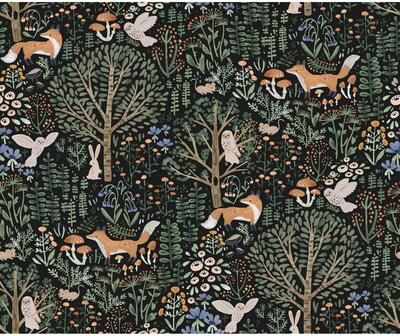
Roommates Clara Jean Folklore ForestInvite beloved folklore whimsy to your space with this scandinavian animal print! Atop a black background, fanciful foxes prance with woodland friends in a mysterious forest! Installing this charming print is as easy as peel, stick, done!47,95 $*Shipping: 0,00 $Secure redirect to the provider
-
Graham & Brown Folklore Tree SageInspired by the Arts and Crafts movement, Folklore Tree is a beautifully painted design, the simplicity of the illustration allows for a playful use of colour. Our colour of the year 2024 Viridis compliments this colourway.200,00 $*Shipping: 0,00 $Secure redirect to the provider
-
Graham & Brown Folklore Tree SkyInspired by the Arts and Crafts movement, Folklore Tree is a beautifully painted design, the simplicity of the illustration allows for a playful use of colour. The Sky colourway features Bali Blue in the background for a really fresh feel.200,00 $*Shipping: 0,00 $Secure redirect to the provider
-
What is the difference between Homo afarensis and Australopithecus?
Homo afarensis and Australopithecus are both hominins that lived in East Africa around 3-4 million years ago. The main difference between the two is that Homo afarensis is considered to be more closely related to the genus Homo, which includes modern humans, while Australopithecus is considered to be a more distant ancestor. Additionally, Homo afarensis is believed to have had a more upright posture and walked bipedally more efficiently than Australopithecus. Lastly, Homo afarensis had a slightly larger brain size compared to Australopithecus. **
-
What is the difference between Australopithecus afarensis and Africanus?
Australopithecus afarensis and Africanus are both species of early hominins that lived in Africa around 3-4 million years ago. The main difference between the two species is their physical characteristics. Australopithecus afarensis, famously represented by the fossil "Lucy," had a more ape-like appearance with a smaller brain and longer arms, while Africanus had a more human-like appearance with a larger brain and shorter arms. Additionally, Africanus is believed to have had a more varied diet, including meat, while afarensis is thought to have primarily been a vegetarian. **
-
Does Australopithecus belong to its own genus or does it belong to the genus Homo?
Australopithecus belongs to its own genus separate from the genus Homo. Australopithecus is a genus of early hominins that lived in Africa around 4 to 2 million years ago, while the genus Homo includes modern humans and their close relatives. The distinction between Australopithecus and Homo is based on differences in physical characteristics, behavior, and evolutionary history. **
-
Why did researchers initially have doubts about assigning Lucy (Australopithecus afarensis) to the category of great apes?
Researchers initially had doubts about assigning Lucy to the category of great apes because of her bipedalism, which was a key characteristic of early human ancestors. Great apes, such as chimpanzees and gorillas, are primarily quadrupedal, meaning they walk on all fours. Lucy's skeletal structure, particularly her pelvis and knee joints, indicated that she walked upright on two legs, suggesting a closer relationship to humans rather than great apes. Additionally, her brain size and dental features were more similar to early humans than to great apes, further supporting her classification as a hominin rather than a great ape. **
Similar search terms for Australopithecus
-
Why can the discovery of Lucy, the Australopithecus, be considered a stroke of luck? How did she get her name?
The discovery of Lucy, the Australopithecus, can be considered a stroke of luck because she is one of the most complete early human fossils ever found, providing valuable insights into human evolution. Lucy got her name from the Beatles song "Lucy in the Sky with Diamonds," which was playing on repeat the night of her discovery in Ethiopia by paleoanthropologist Donald Johanson and his team in 1974. This serendipitous find has significantly contributed to our understanding of human origins and the evolutionary timeline. **
-
What is traditional German music?
Traditional German music includes a wide range of styles and genres that have been passed down through generations. Some of the most well-known traditional German music includes folk music, classical music, and regional styles such as Bavarian and Tyrolean music. Instruments commonly used in traditional German music include the accordion, clarinet, and various types of brass and string instruments. The lyrics often reflect themes of nature, love, and everyday life in Germany. Traditional German music is an important part of the country's cultural heritage and is still celebrated and performed at festivals and events throughout the country. **
-
What is traditional Mexican music?
Traditional Mexican music encompasses a wide variety of styles and genres that have been passed down through generations. It includes music such as mariachi, ranchera, corrido, and jarabe, each with its own unique instruments, rhythms, and lyrical themes. These musical traditions often reflect the cultural heritage and regional diversity of Mexico, and are an important part of the country's cultural identity. Traditional Mexican music is often characterized by lively rhythms, passionate vocals, and the use of instruments such as the guitar, trumpet, violin, and accordion. **
-
What is Russian traditional music?
Russian traditional music encompasses a wide range of styles and genres that have been passed down through generations. It includes folk songs, dances, and instrumental music that reflect the diverse cultural heritage of Russia. Traditional Russian music often features instruments such as the balalaika, accordion, and various types of flutes and percussion. The melodies and rhythms of Russian traditional music are often lively and energetic, reflecting the rich history and traditions of the Russian people. **
* All prices are inclusive of VAT and, if applicable, plus shipping costs. The offer information is based on the details provided by the respective shop and is updated through automated processes. Real-time updates do not occur, so deviations can occur in individual cases. ** Note: Parts of this content were created by AI.